

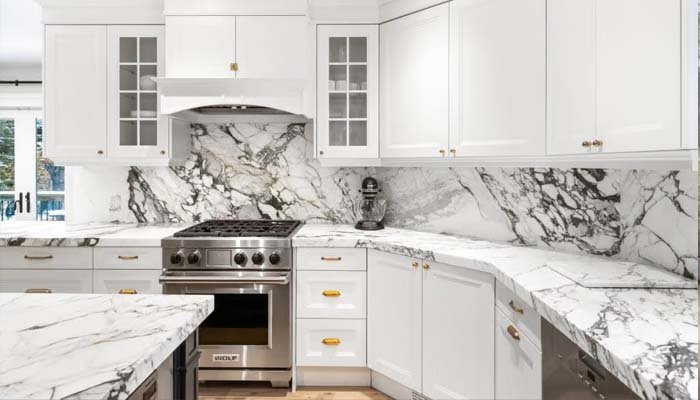
Key Types of Marble Slabs and Their Features
Choosing the right marble slab starts with understanding its different types, each known for distinct patterns, colors, and overall appeal. Carrara marble is one of the most common options, featuring soft gray veining on a light background, making it ideal for subtle, elegant interiors. In contrast, Calacatta marble is more luxurious, with bold, dramatic veins and a brighter white base that stands out in statement spaces. Statuario marble sits between the two, offering a balanced mix of fine and bold veining for a refined look. For those seeking something unique, darker varieties like black or green marble slabs provide rich tones and striking contrast, often used in modern or high-end designs. Each type varies not only in appearance but also in density, porosity, and price, which directly affects where and how it should be used in your home.
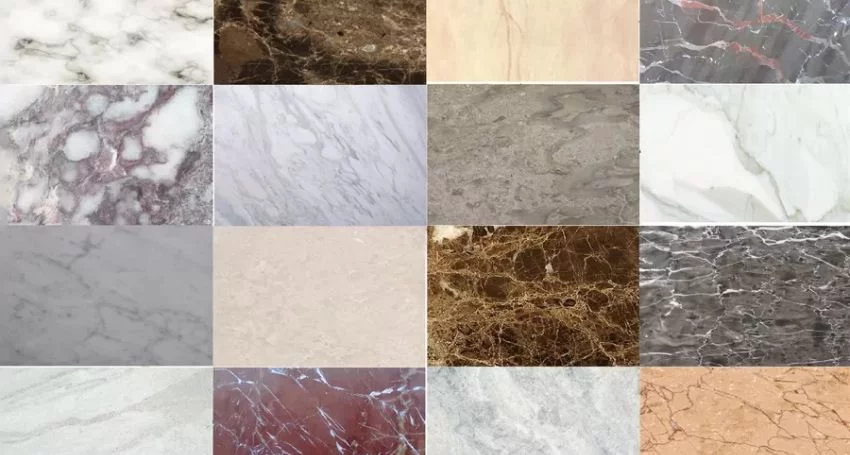
How to Choose the Right Marble Slab for Your Home
Selecting the right marble slab begins with understanding your space and how the material will be used. For high-traffic areas like kitchens, it’s important to choose a slab with higher density and subtle veining, as it tends to hide wear and minor stains better. In contrast, for statement areas such as feature walls or bathroom vanities, you can prioritize bold patterns and dramatic colors that enhance visual impact. Lighting also plays a key role—natural and artificial light can significantly affect how the slab’s color and veining appear, so always view the slab in different lighting conditions before making a final decision.
Beyond appearance, pay close attention to the slab’s quality and finish. Inspect for any visible cracks, uneven textures, or excessive porosity, as these can affect durability over time. Finishes like polished surfaces offer a glossy, luxurious look but may show scratches more easily, while honed finishes provide a softer, matte appearance with better resistance to visible wear. It’s also wise to consult reliable guidance, such as the standards outlined by the Marble Institute of America, to ensure you’re selecting a slab that meets both aesthetic and performance expectations.
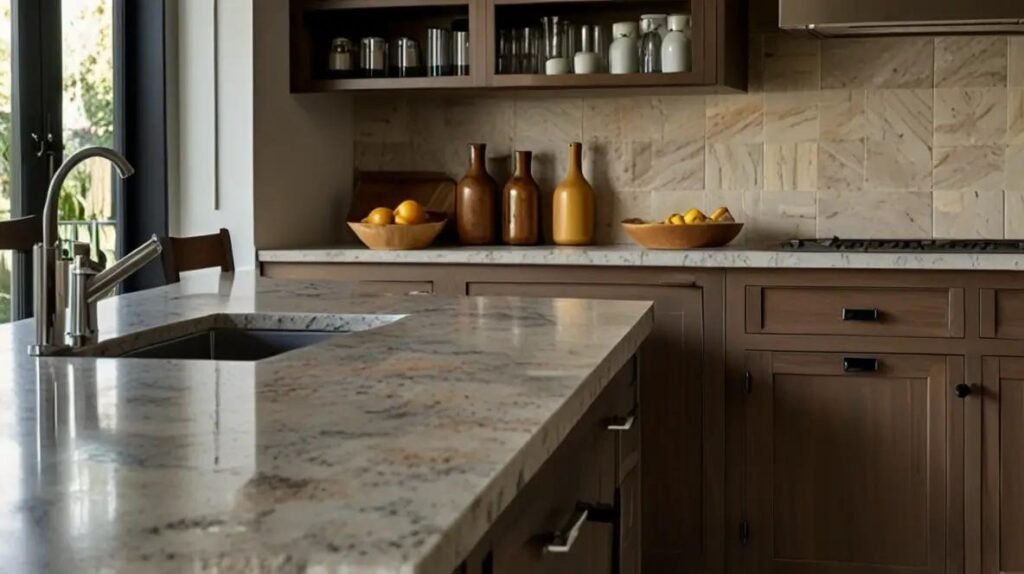
Marble Slab Maintenance and Longevity Tips
Maintaining a marble slab properly is essential to preserve its natural beauty and extend its lifespan. Because marble is a porous stone, it can absorb liquids and develop stains if not sealed regularly. Applying a high-quality sealant every 6–12 months helps create a protective barrier against spills. Daily care is simple—use a soft cloth and pH-neutral cleaner to wipe surfaces, and avoid harsh chemicals like vinegar or bleach that can cause etching and dullness. Quick cleanup of spills, especially acidic ones like lemon juice or coffee, is key to preventing permanent marks.
Long-term durability also depends on how the surface is used and protected. Placing coasters, mats, and cutting boards on marble countertops reduces the risk of scratches and heat damage. For floors or high-use areas, periodic professional polishing can restore shine and smoothness over time. With consistent care and mindful use, a marble slab can remain visually stunning and structurally strong for decades, making it a worthwhile investment for both style and functionality.
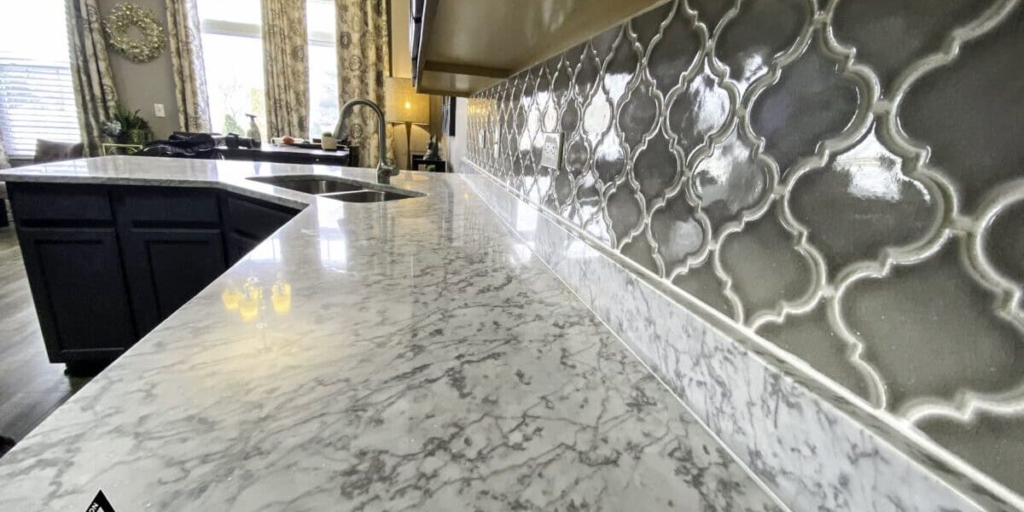
Cost, Availability, and Final Buying Advice
The cost of a marble slab varies widely based on type, quality, thickness, and origin, so it’s important to understand realistic price ranges before making a decision. In today’s market, standard marble slabs typically range from about $40 to $100 per square foot for materials, while premium varieties like Calacatta can exceed $175–$400 per square foot due to rarity and visual appeal. When installation and fabrication are included, total costs often rise to $75–$250 per square foot, depending on design complexity and labor. These variations highlight why it’s essential to evaluate not just the slab itself but the full project cost.
In terms of availability, marble slabs are widely accessible through local suppliers and stone yards, but quality can differ significantly. Always inspect slabs in person and focus on consistent veining, minimal surface flaws, and proper finishing rather than choosing solely based on price. A smart buying strategy is to combine affordable, high-quality slabs for larger areas with premium marble for focal points, ensuring a balance between budget, durability, and visual impact while maximizing long-term value.Read About More Kitchen Table
Conclusion
A marble slab is more than just a building material—it’s a timeless design choice that adds elegance, value, and natural beauty to any home. From understanding different types and selecting the right slab to maintaining it properly, every step plays an important role in achieving long-lasting results. While marble requires careful maintenance and thoughtful selection, its unique patterns and luxurious appeal make it a worthwhile investment for both modern and classic interiors. By balancing quality, budget, and proper care, you can ensure your marble surfaces remain stunning for many years to come.
FAQs
1. What is a marble slab used for?
A marble slab is commonly used for kitchen countertops, flooring, bathroom vanities, wall cladding, and decorative surfaces due to its natural beauty and durability.
2. Is marble slab better than granite?
It depends on use. Marble is more elegant and visually luxurious, while granite is generally harder and more resistant to scratches and stains, making it better for heavy-use areas.
3. How long does a marble slab last?
With proper care and maintenance, a marble slab can last for decades or even a lifetime, especially if it is regularly sealed and cleaned correctly.
4. Does marble slab require maintenance?
Yes, marble needs regular sealing, gentle cleaning, and protection from acidic substances to maintain its shine and prevent stains or etching.
