

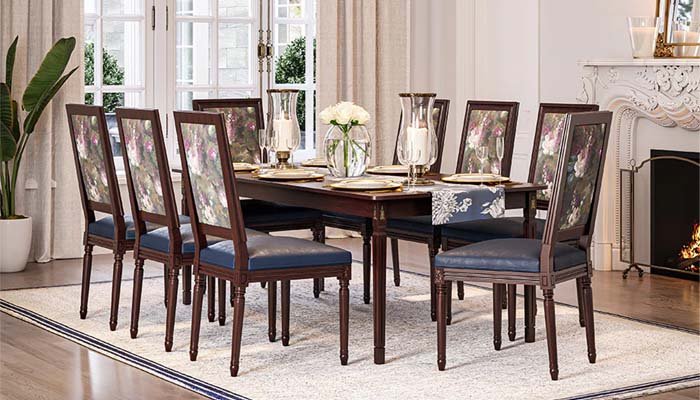
Choosing the Right Kitchen Table Size and Shape
Selecting the ideal kitchen table begins with understanding your available space and how you plan to use it daily. A well-sized table should allow at least 75–90 cm of clearance around it for easy movement, ensuring your kitchen doesn’t feel cramped. When it comes to shape, rectangular tables work best in larger or narrow rooms, while round tables are perfect for small spaces because they improve flow and encourage conversation. Square tables suit compact layouts, and oval designs offer a balance between seating capacity and a softer visual appeal. By focusing on both proportion and practicality, you can choose a table that fits seamlessly into your kitchen and supports your everyday needs.
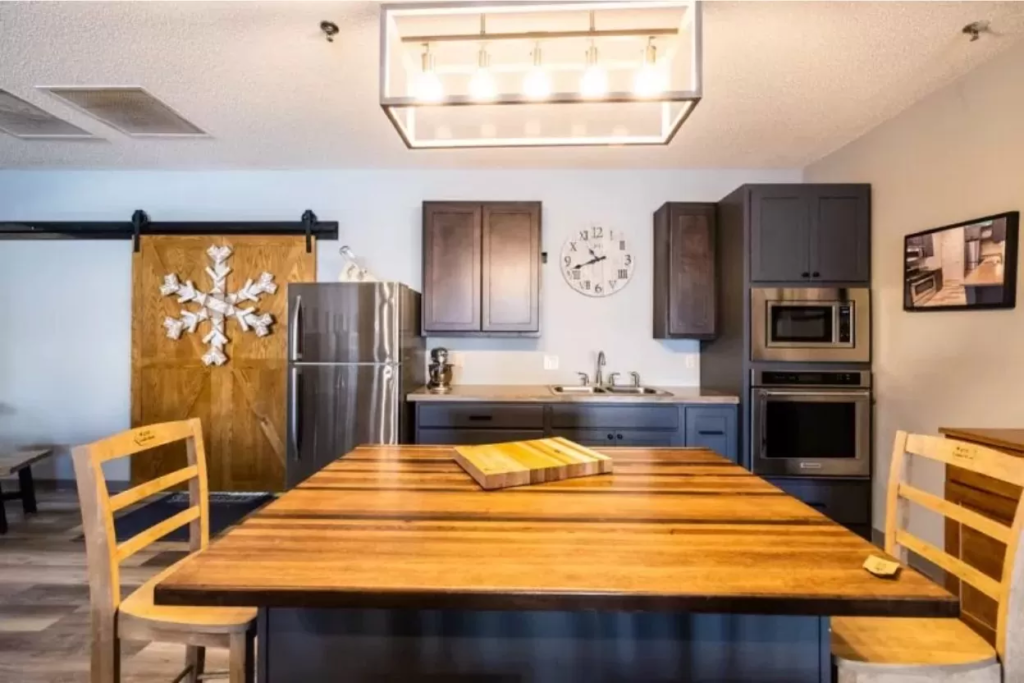
Materials That Define Durability and Style
The material of your kitchen table plays a major role in both its durability and overall look. Solid wood remains one of the most popular choices because it offers long-lasting strength and a warm, natural feel that suits almost any interior style. Hardwoods like oak, walnut, or acacia are especially valued for their resistance to wear and ability to age beautifully over time. On the other hand, engineered wood options such as MDF or plywood provide a more budget-friendly alternative, though they may not offer the same lifespan as solid wood.
For a more modern or contemporary aesthetic, materials like glass and metal are often preferred. A glass-top table can make a small kitchen feel more open and airy, while metal frames add a sleek, industrial touch and strong structural support. Some designs even combine materials—like wood tops with metal legs—to create a balanced look that blends style and functionality. Choosing the right material ultimately depends on your lifestyle, maintenance preferences, and how much daily use your table will handle.
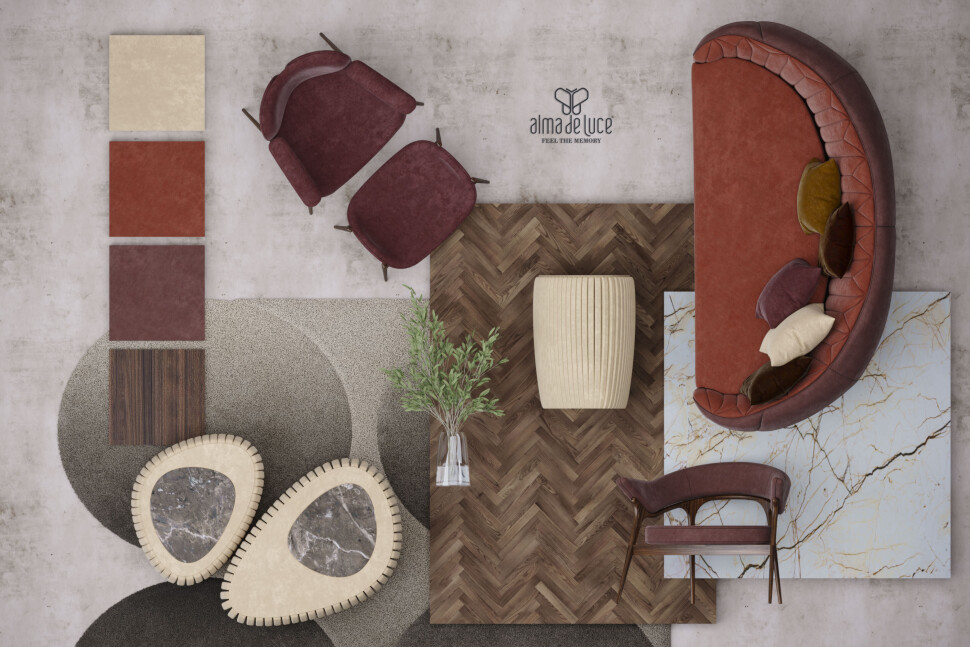
Matching Your Kitchen Table to Your Lifestyle
Choosing the right kitchen table isn’t just about looks—it should align with your daily habits and household needs. If you have a busy family, a durable, easy-to-clean surface like treated wood or laminate can handle frequent use, spills, and meals. For those who love hosting, a larger or extendable table offers flexibility for guests, while smaller households may benefit from a compact or multi-purpose design that doubles as a workspace. By considering how you eat, gather, and live each day, you can select a table that truly supports your lifestyle and comfort without compromising on style.
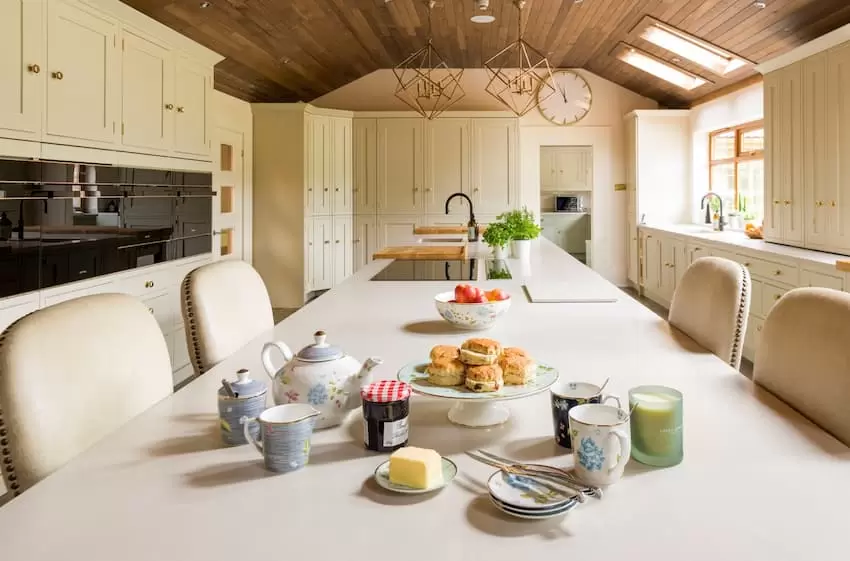
Smart Features and Space-Saving Solutions
Modern kitchen table designs often include smart features that make everyday living more convenient, especially in smaller homes. Options like extendable leaves, foldable tops, or drop-leaf designs allow you to adjust the table size based on your needs, saving space when not in use. Some tables also come with built-in storage, such as shelves or drawers, which help keep essentials organized and within reach. These practical innovations not only improve functionality but also ensure your kitchen remains efficient, clutter-free, and adaptable to changing situations.
Final Buying Tips for Long-Term Value
When investing in a kitchen table, focus on quality, practicality, and long-term use rather than just appearance. Look for sturdy construction, reliable materials, and finishes that can withstand daily wear. It’s also wise to consider maintenance requirements, ensuring the table fits your cleaning habits and lifestyle. Before purchasing, measure your space carefully and think about future needs, such as growing families or changing layouts. A well-chosen table should offer lasting comfort, durability, and versatility, making it a valuable addition to your home for years to come.
Conclusion
Choosing the best kitchen table comes down to finding the right balance between size, material, functionality, and lifestyle needs. A table that fits your space comfortably, matches your design preferences, and supports your daily routine will always be the best choice. By focusing on durability, flexibility, and practical features, you can invest in a piece that not only enhances your kitchen’s look but also becomes a reliable part of your everyday life for years to come. Read more About Home Parking Area Design Ideas
FAQs
1. What is the best shape for a kitchen table in small spaces?
A round or square kitchen table is usually best for small spaces because it saves room and improves movement around the area.
2. Which material is most durable for a kitchen table?
Solid wood is considered the most durable option as it can handle daily use and lasts for many years with proper care.
3. How much space should I leave around a kitchen table?
It’s recommended to leave about 75–90 cm (30–36 inches) of clearance around the table for comfortable seating and movement.
4. Are extendable kitchen tables worth it?
Yes, extendable tables are very practical because they save space daily and can be expanded when you have guests or need extra seating.
