

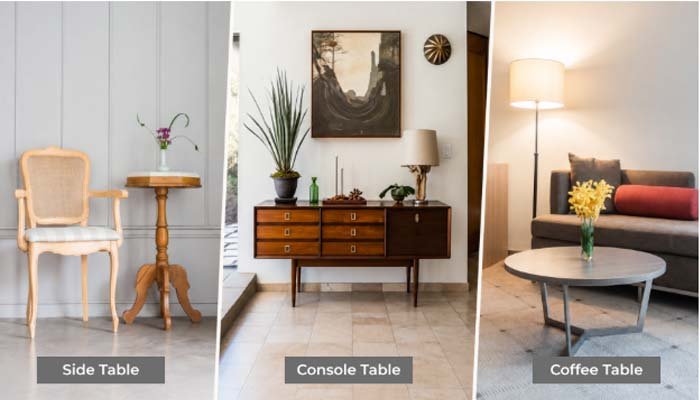
Choosing the right furniture for a living room is not only about how a piece looks. Every table has a different purpose, and picking the wrong one can make a space feel crowded or incomplete. A coffee table, side table, and console table may all seem similar at first, but each one solves a different need.
Whether the goal is creating a practical seating area, adding storage near an entryway, or making everyday essentials easier to reach, understanding the differences can help create a room that works better.
Coffee Tables: The Centrepiece of Your Living Room
A coffee table is usually the main table placed in front of a sofa or lounge. It becomes the centre of everyday activities, from enjoying a morning coffee to keeping books, remotes, and decorative pieces within reach.
Coffee tables work best in larger seating areas where there is enough space to move around the lounge. The size and shape should match the sofa arrangement. For example, a rectangular coffee table often suits longer sofas, while a round coffee table can work well with curved lounges or smaller rooms.
When choosing a coffee table, consider the height carefully. Ideally, it should sit close to the height of the sofa seat, making it easy to use without stretching or leaning too far forward.
A well-chosen coffee table can bring the whole seating area together while giving the room a practical finishing touch.
Side Tables: Small Pieces That Make Daily Life Easier
Side tables are designed for convenience. They sit beside sofas, armchairs, or beds and provide a handy surface for items used regularly.
A side table is perfect for holding a cup of tea, a reading lamp, a phone, or a book. Unlike coffee tables, they do not need much floor space, making them a smart option for compact living rooms or apartments.
The best side table placement depends on how the room is used. A lounge where people often sit in different areas may benefit from more than one side table, allowing everyone to have easy access to a surface.
Materials and shapes also play an important role. Timber side tables can add a natural feel, while metal or glass designs can create a more modern look. The key is choosing a style that works with the existing furniture rather than competing with it.
Console Tables: Practical Furniture Beyond the Living Room
Console tables are usually placed against walls, behind sofas, or in entryways. Their slim design makes them useful when a room needs extra storage or a decorative feature without taking up too much space.
In an entryway, a console table provides a place for keys, bags, and everyday essentials. In a living room, it can sit behind a sofa to display lamps, artwork, books, or personal pieces.
Console tables are especially useful in open-plan homes where empty wall spaces can sometimes feel unfinished. They add function while helping define different areas within the room.
For smaller homes, choosing a console table with drawers or shelves can provide additional storage without making the area feel bulky.
Which Table Does Your Room Actually Need?
The right choice depends on your lifestyle, room size, and how you use your space.
A coffee table is the better option if:
- The lounge area needs a central surface for drinks, books, and everyday items.
- The sofa setup has enough space for movement around the table.
- The living room is designed around socialising and relaxation.
A side table is the better option if:
- Convenience matters and you need a handy surface beside your seating area.
- Space is limited, but extra functionality is still required.
- You need a spot for drinks, books, lamps, or everyday essentials.
A console table is the better option if:
- An empty wall, hallway, or sofa-back area needs a practical addition.
- Extra storage or display space is required for décor and daily items.
- You want useful furniture without taking up much floor space.
Many homes benefit from using a combination of all three. A coffee table can anchor the main seating area, side tables can improve everyday comfort, and a console table can make use of unused spaces.
How to Choose the Right Table Size for Your Space
Before buying any table, measure the room carefully. A common mistake is choosing furniture based only on appearance and ignoring the available floor space.
Leave enough room around a coffee table so people can walk comfortably between the sofa and other furniture. Side tables should sit at a practical height and not block movement. Console tables should fit against walls without making walkways feel narrow.
The best furniture choices are those that support how the room is used every day.
Conclusion
Choosing between a side table, coffee table, and console table comes down to understanding what the room needs most. Each piece has a specific role, and the right combination can make a living space more practical, organised, and enjoyable.
Frequently Asked Questions
Is a coffee table better than a side table?
Neither option is always better. A coffee table is useful for shared seating areas, while a side table is better for personal convenience beside a sofa or chair. The right choice depends on the room layout and daily habits.
Can a living room have both a coffee table and side tables?
Yes. Many living rooms use both because they serve different purposes. A coffee table provides a central surface, while side tables give individual seating areas their own convenient space.
Where should a console table be placed?
Console tables work well in entryways, behind sofas, or along empty walls. The best location depends on where extra storage, display space, or functionality is needed.
What shape coffee table works best for a small living room?
Round coffee tables are often a good choice for smaller rooms because they create easier movement around the seating area. However, the ideal shape depends on the sofa size and room layout.
Should a side table match the coffee table?
Matching is not required. Tables with different designs can still work together when they share similar colours, materials, or design details.
How do I know which table size is right?
Measure the available space first and consider how people move around the room. A table should support the room’s function without making the area feel cramped.
