

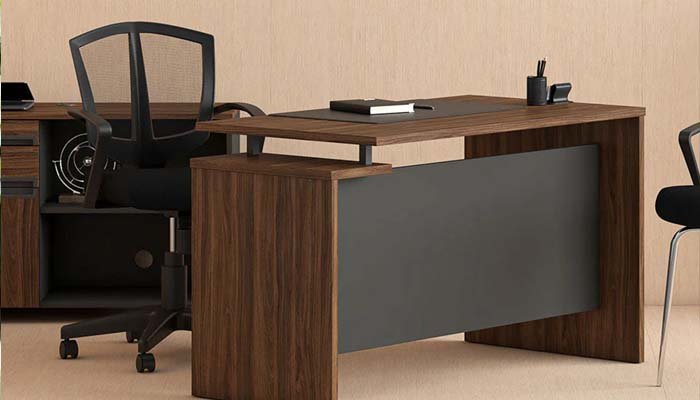
The best work from home tables provide enough workspace, support good posture, and fit your room without compromising comfort. A sturdy desk with the right height, durable materials, and practical features like storage or cable management can improve productivity and make long workdays more comfortable. Choosing the right table depends on your available space, work setup, and daily needs.
Choose the Right Desk Type for Your Workspace
Not every home office needs the same kind of desk. If you use multiple monitors or handle paperwork, a larger desk offers more flexibility. For smaller apartments or shared spaces, a compact desk can provide a practical solution without taking up too much room. Height-adjustable standing desks are also popular because they allow you to alternate between sitting and standing during the day.
The right desk should match both your work style and your room layout. Measure your available space before buying to ensure the table fits comfortably while leaving enough room to move around.
Fast Info Table
| Feature | Recommended Details |
| Ideal Width | 48–60 inches for most users |
| Standard Height | 28–30 inches |
| Best Materials | Solid wood, engineered wood, steel frame, bamboo |
| Best For | Remote work, studying, freelancing, gaming |
| Storage Options | Drawers, shelves, cable management |
| Popular Styles | Modern, minimalist, industrial, Scandinavian |
| Recommended Setup | External monitor, keyboard, ergonomic chair |
Prioritize Comfort and Ergonomics
Comfort should always come before appearance. A desk should allow your elbows to rest at about a 90-degree angle while typing, with your wrists straight and your shoulders relaxed. Your monitor should sit roughly at eye level and about an arm’s length away to help reduce neck and eye strain.
Pairing your desk with an ergonomic chair creates a healthier workspace for long hours. If you use a laptop every day, adding a laptop stand with an external keyboard and mouse can improve your posture and make working more comfortable.
Compare Materials, Size, and Build Quality
The material of your desk affects both durability and appearance. Solid wood desks offer excellent strength and a timeless look, while engineered wood provides a budget-friendly option with many attractive finishes. Steel frames add stability and are commonly found in modern office furniture.
Size also matters. A desk that is too small can quickly become cluttered, while one that is too large may overwhelm your room. Choose a table that comfortably fits your computer, monitor, keyboard, and other everyday essentials without wasting valuable floor space.
Look for Features That Improve Productivity
Modern work desks include features that help keep your workspace organized and efficient. Built-in drawers, cable management systems, monitor stands, and adjustable heights reduce clutter and create a cleaner working environment.
If your work requires multiple screens or frequent video meetings, consider a larger desktop with enough room for accessories. Those working in smaller rooms may benefit from corner desks or tables with integrated shelving to maximize available space.
Match the Desk to Your Budget and Home Style
The best desk is one that balances quality, function, and price. Entry-level desks can work well for occasional use, while professionals working from home every day may benefit from investing in a stronger, more durable option with ergonomic features.
Choose a style that complements your home décor, whether you prefer a modern white finish, natural wood, industrial metal accents, or a minimalist design. A well-chosen desk not only supports productivity but also enhances the overall appearance of your workspace.
Conclusion
The best work from home tables combine comfort, durability, and practical design. By selecting the right size, quality materials, ergonomic features, and a style that fits your space, you can create a home office that supports both productivity and long-term comfort. Investing in the right desk is an investment in your daily work experience. Read About More Small Kitchen Design Ideas
FAQs
1. What size is best for a work-from-home desk?
A desk between 48 and 60 inches wide is suitable for most remote workers, while larger setups with dual monitors may require 60 inches or more.
2. Are standing desks better than regular desks?
Standing desks offer flexibility by allowing you to alternate between sitting and standing, but changing positions throughout the day is generally more beneficial than standing continuously.
3. Which material is most durable for a home office desk?
Solid wood and steel-frame desks are among the most durable options, while engineered wood offers a good balance between affordability and performance.
4. What features should I look for in a work-from-home table?
Look for a sturdy build, sufficient workspace, ergonomic height, cable management, storage drawers, and a design that suits your home office layout.
