

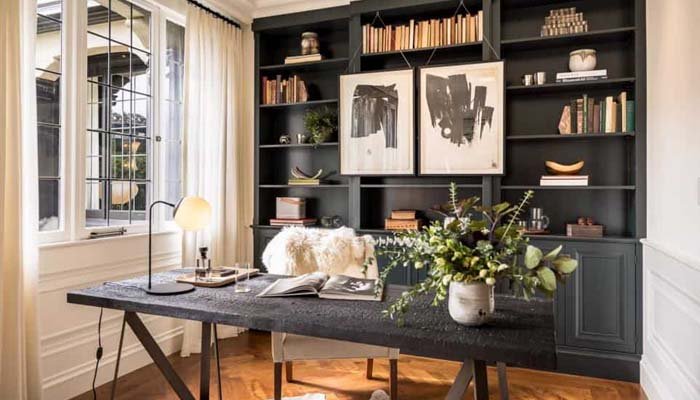
Small home office ideas focus on making the most of limited space without sacrificing comfort or productivity. The best setups combine a compact desk, ergonomic seating, smart storage, and good lighting to create an efficient workspace. Whether you’re working from a dedicated room or a quiet corner, thoughtful design choices can help you stay organized, comfortable, and focused every day.
Choose the Right Spot and Layout
The first step is selecting a location that supports concentration. A quiet corner in the living room, a bedroom nook, or even an unused closet can become a practical workspace. If possible, place your desk near a window to take advantage of natural light, which helps reduce eye strain and creates a brighter environment.
When planning your layout, prioritize movement and functionality. Corner desks, floating desks, and fold-down wall desks are excellent options for saving floor space. Keep frequently used items within easy reach to avoid unnecessary clutter and improve workflow.
| Workspace Planning Guide | Details |
| Best locations | Bedroom corner, living room, hallway nook, spare room, closet office |
| Ideal desk types | Corner desk, floating desk, wall-mounted desk, compact writing desk |
| Recommended lighting | Natural daylight with an adjustable desk lamp |
| Space-saving tip | Leave enough room to move comfortably around the desk |
| Main goal | Maximize efficiency while minimizing clutter |
Select Functional Furniture That Fits Your Space
Furniture should match both the available space and your daily work needs. A compact desk with built-in drawers can eliminate the need for additional storage, while a slim bookshelf provides room for office supplies without taking up much floor space.
An ergonomic chair is equally important. Look for adjustable height, lumbar support, and a comfortable seat cushion. Even in a small workspace, investing in supportive furniture can improve posture and reduce fatigue during long working hours.
Multi-purpose furniture is another smart choice. Storage benches, cabinets with hidden workstations, and desks with shelving help keep everything organized while making the room feel larger.
Organize with Smart Storage Solutions
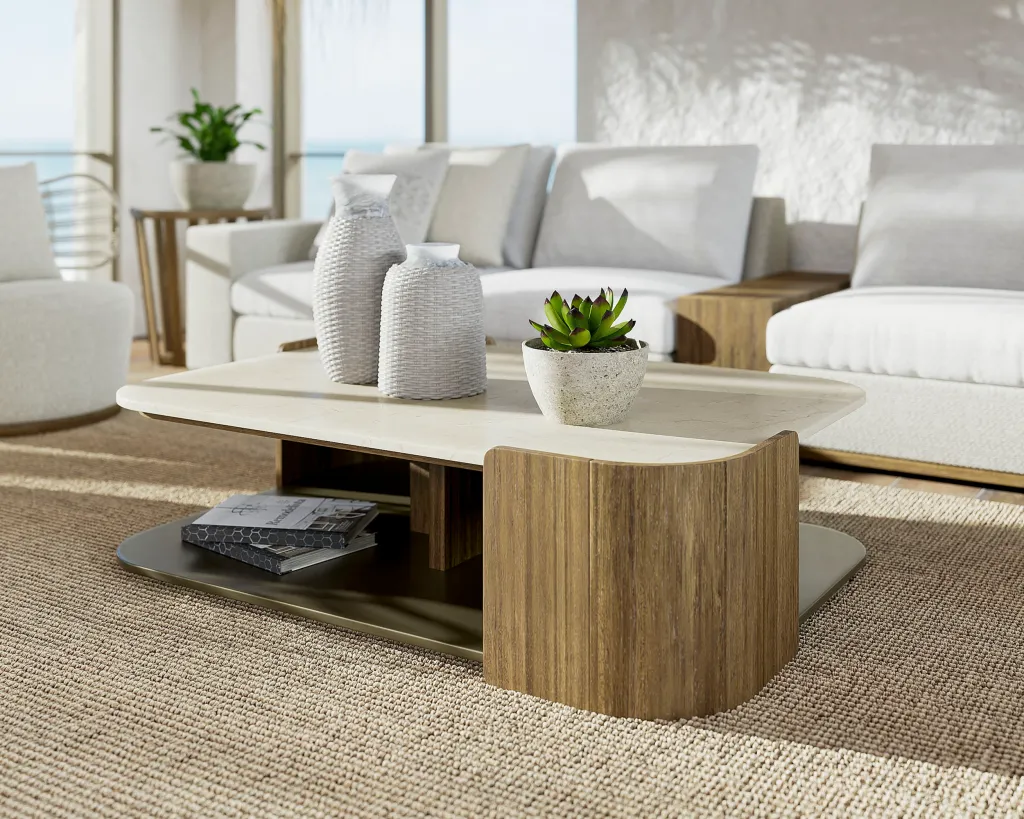
One of the biggest challenges in small home office ideas is keeping the workspace tidy. Vertical storage is often the best solution because it uses wall space instead of valuable floor area.
Floating shelves, pegboards, wall organizers, and drawer dividers make it easy to store documents, stationery, and accessories. Cable clips and under-desk cable trays also help maintain a clean appearance by preventing tangled wires.
Keeping only essential items on your desktop creates a more focused work environment. Regularly organizing your supplies ensures the space remains functional and visually appealing.
Improve Comfort with Proper Lighting and Ergonomics
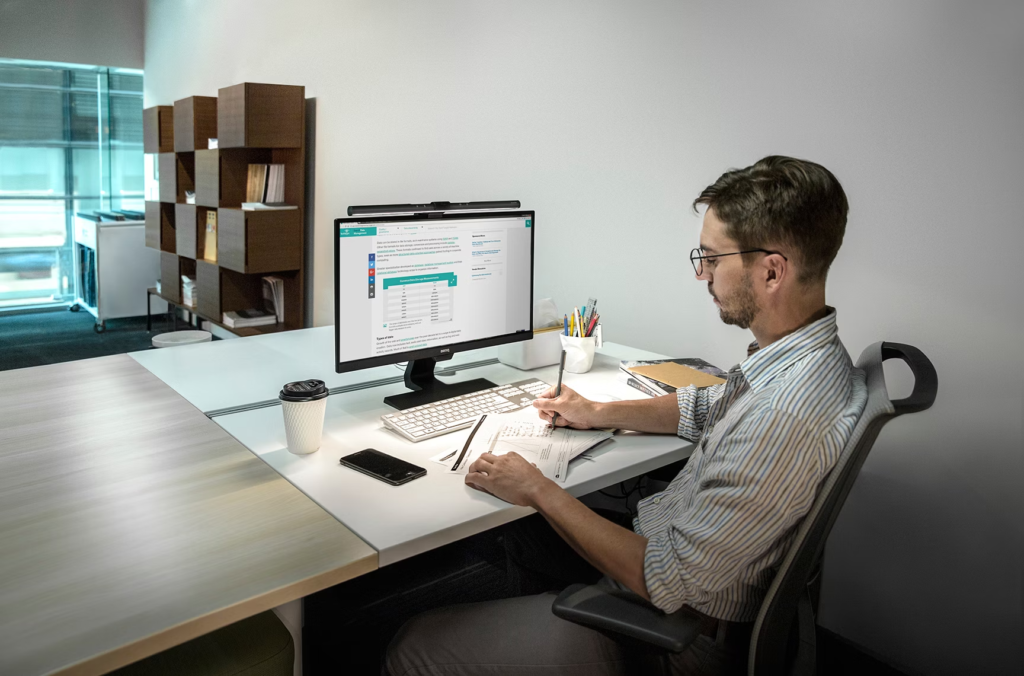
Comfort plays a major role in long-term productivity. Position your monitor so the top of the screen is at eye level, and keep your keyboard and mouse at a comfortable height to reduce strain on your wrists and shoulders.
Layered lighting works best in a home office. Combine natural daylight with overhead lighting and an adjustable task lamp for even illumination throughout the day. Position your monitor to minimize glare from windows whenever possible.
Simple additions such as a footrest, monitor stand, or laptop riser can further improve posture and create a healthier workspace.
Add Personal Style Without Creating Clutter
A productive office should also feel welcoming. Neutral colors, light wood finishes, and simple décor help small spaces appear more open while maintaining a professional look.
Add personality with a few carefully chosen accessories, such as framed artwork, a small indoor plant, or decorative storage boxes. Limiting decorations prevents visual clutter while still making the workspace enjoyable.
Plants not only enhance the appearance of your office but can also create a more relaxing atmosphere. Choosing a consistent color palette throughout the workspace helps tie the design together and gives the room a polished finish.
Conclusion
The best small home office ideas combine smart layouts, compact furniture, ergonomic design, and organized storage to create a workspace that feels comfortable and efficient. By making thoughtful use of every inch, you can build a stylish office that supports productivity without requiring a large room.
FAQs
1. What is the best desk for a small home office?
A floating desk, corner desk, or compact writing desk is ideal because it saves space while providing enough room for daily tasks.
2. How can I make a small home office look bigger?
Use light colors, maximize natural light, install wall-mounted storage, and keep the desktop free of unnecessary items.
3. What are the most important features of a productive home office?
Comfortable seating, proper lighting, ergonomic equipment, organized storage, and minimal distractions are the key elements.
4. Can I create a home office without a separate room?
Yes. Many effective home offices are created in bedrooms, living rooms, hallway corners, or converted closets using space-saving furniture and smart organization.
