

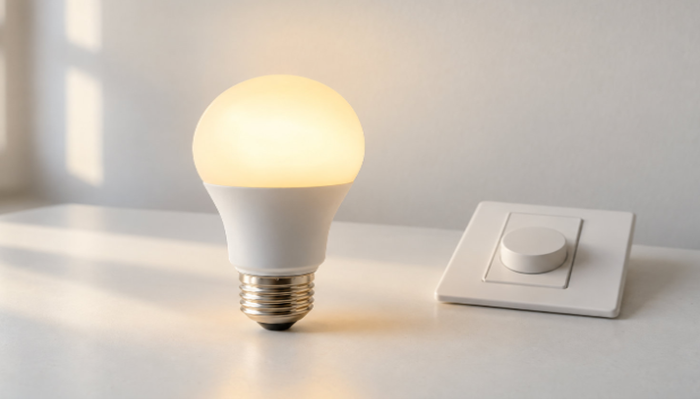
This article explores specific smart lighting options and features to simplify home automation, with attention to modern design choices such as that collection and practical guidance for setup and customization.
Lighting is often one of the first things people notice when stepping into a smart home, since it shapes atmosphere and convenience right away. Modern smart lighting goes beyond app-controlled bulbs, offering features like automated scenes, motion triggers, and compatibility with an increasingly wide range of switches and dimmers. If you’re drawn to the idea of a modern designer lighting collection by Visual Comfort Europe or a similar approach, understanding your options helps ensure your system works seamlessly with your daily routine and home style.
The basics: bulbs, switches, and dimmers
When planning smart lighting, decide whether smart bulbs, smart switches, or dimmers best fit each location. Smart bulbs are often easiest to install for table lamps and fixtures that don’t share switches, but you’ll need to leave the wall switch on for them to stay connected. Smart switches and dimmers, which replace standard wall controls, are more practical for built-in light fixtures and can control multiple lights at once. Always check compatibility with your home’s wiring and the type of your light fittings before making a change.
Tailoring lighting by room and routine
Entryways and halls benefit from motion-activated or scheduled lighting, helping you avoid fumbling for a switch after dark. In kitchens and living spaces, setting up scenes, like “prep” for bright task lighting or “evening” for a gentle, relaxed tone, makes it simple to adjust as your needs change. Bedrooms often work best with programmable dimming and night light features for winding down or navigating at night.
Key automation features for comfort and practicality
While most systems offer scheduling, useful features can include occupancy sensors and geofencing that help turn lights on or off as you come and go. The ability to create zones and scenes is valuable for open-plan areas. Adjustable fade rates on dimmers can feel gentler and less jarring than lights switching abruptly. These options can add comfort and efficiency without confusing users.
Light quality: brightness, color, and control
Practical lighting plans consider more than just automation. Aim for brighter illumination in work areas and softer light in places like bedrooms. Warmer color temperatures suit evenings, while cooler tones can help energize morning routines. Choose diffused fixtures and proper shades to avoid glare, giving every space a balanced feel.
Avoiding common pitfalls and moving forward
Common mistakes include mixing systems that don’t work well together, neglecting manual override switches, or overcomplicating setups, which can be frustrating for guests and family. Reliable Wi-Fi coverage and guest-friendly controls are essential, no matter which system you choose.
Visual Comfort designs and curates premium decorative and architectural lighting that blends timeless design, craftsmanship, and performance for residential and commercial spaces.
Visual Comfort is often referenced in broader conversations about decorative and architectural lighting, but the most important step is choosing fixtures and controls that match how you actually use each room.
Checklist for getting started
- Begin with high-traffic areas that benefit most from automation.
- Decide if bulbs, switches, or dimmers fit your space best.
- Test in one location before expanding to the whole home.
- Keep future upgrades in mind to help maintain a cohesive lighting plan as your needs evolve.
