

Why Accurate Room Measurement Matters Before Buying Furniture
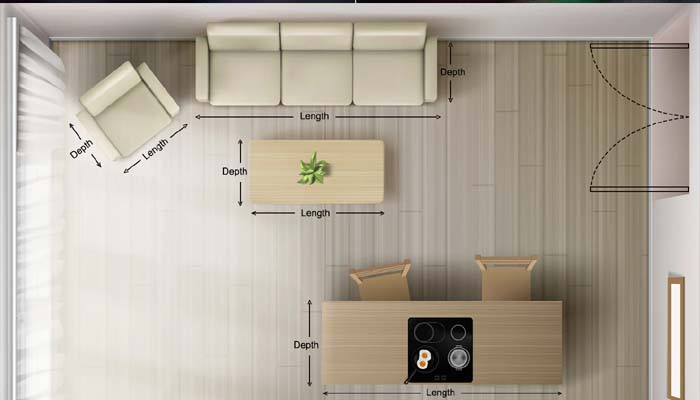
Accurate room measurement is the first step to choosing furniture that fits comfortably and functions well in your space. Without measuring, it’s easy to buy pieces that feel too large, overcrowded, or difficult to move through doorways and walkways. Understanding how to measure room for furniture helps you plan the layout properly, maintain clear walking paths, and create a balanced, organized room design. It also saves time, money, and frustration by ensuring the furniture you choose actually works with your room’s size, shape, and existing features.
Tools You Need to Measure a Room Properly
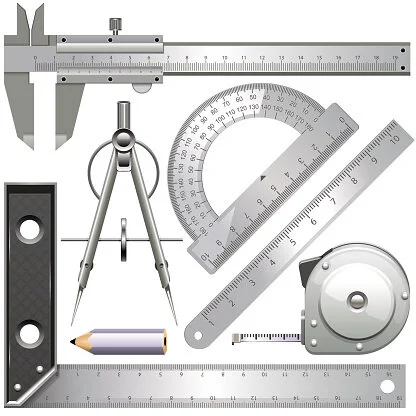
Before you start measuring, it helps to gather a few simple but essential tools. The most important one is a reliable tape measure, ideally 25 feet long, so you can easily measure the length and width of most rooms. You should also keep a notebook or graph paper to sketch a basic floor plan and write down measurements as you go. Having a pencil or pen nearby ensures you don’t forget important dimensions like wall length, doorway sizes, or window placement.
Some additional tools can make the process even easier. A laser measuring tool can quickly measure longer distances with high accuracy, especially in large rooms. Many people also use painter’s tape to outline furniture dimensions on the floor, which helps visualize how much space a sofa, table, or bed will take up. Using the right tools makes it much easier to understand how to measure room for furniture and plan a layout that feels comfortable and well-organized.
Step-by-Step Guide: How to Measure Room for Furniture
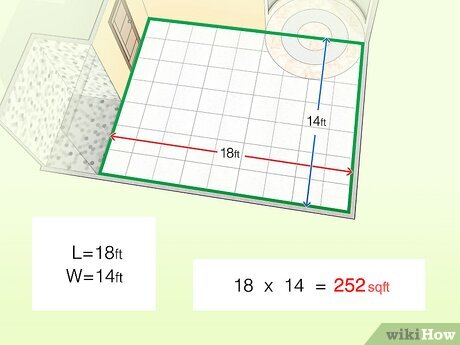
Start by drawing a simple sketch of the room layout on paper. It doesn’t need to be perfect—just outline the walls, doors, and windows so you have a clear reference. Next, use a tape measure to record the length and width of the room, measuring from one wall to the opposite wall. Write each measurement on your sketch so you can easily visualize the overall size of the space.
After measuring the main dimensions, note other important details like doorway width, window placement, and ceiling height. These elements can affect where furniture fits and how it can be arranged. Understanding how to measure room for furniture also means checking corners, built-in features, and walkways, which helps ensure your furniture placement feels comfortable, balanced, and practical.
Planning Furniture Layout and Spacing
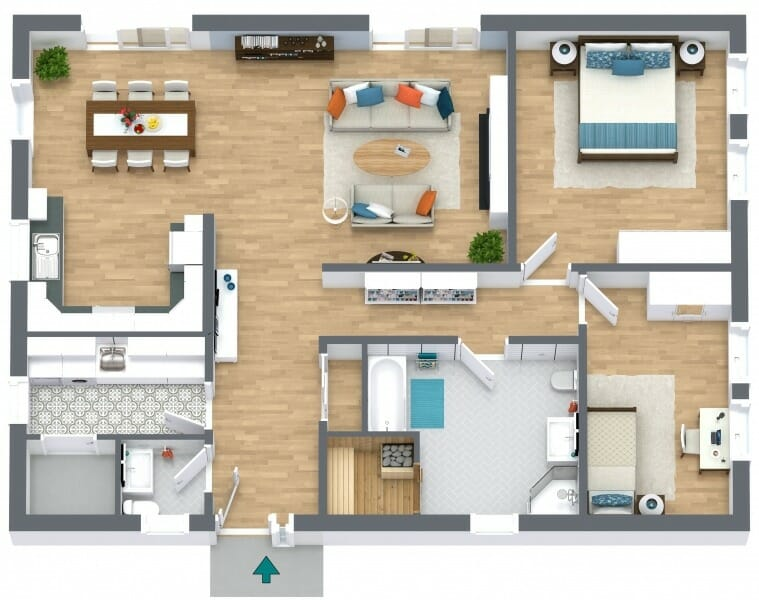
Once you have the room measurements, the next step is planning where each furniture piece will go. Start by placing the largest items first, such as sofas, beds, or dining tables, since they define the main layout of the room. Make sure to leave enough walking space between furniture, typically about 30–36 inches for walkways, so the room feels open and easy to move around. Proper planning helps ensure that furniture placement looks balanced, functional, and comfortable for everyday use.
Common Mistakes to Avoid When Measuring a Room
One common mistake people make when learning how to measure room for furniture is only measuring the floor space and ignoring other important details. It’s essential to also measure doorways, windows, and ceiling height, since these can affect how furniture fits and moves into the room. Another frequent issue is forgetting to leave enough space for walkways and furniture movement, which can make the room feel cramped. Taking careful measurements and double-checking them helps ensure your furniture fits properly and keeps the room comfortable, practical, and visually balanced.
Conclusion
Knowing how to measure room for furniture helps you make smarter furniture choices and create a space that feels comfortable, organized, and functional. By measuring the room carefully, noting important features, and planning furniture placement in advance, you can avoid common layout problems and ensure every piece fits your space perfectly.read more Jack and Jill Bathroom
FAQs
1. What is the easiest way to measure a room for furniture?
The easiest way is to use a tape measure to record the room’s length, width, and height, then draw a simple sketch of the layout to mark doors, windows, and furniture placement.
2. How much walking space should be left between furniture?
Interior design guidelines suggest leaving about 30–36 inches of walkway space so people can move comfortably around the room.
3. Should I measure doors and hallways before buying furniture?
Yes, measuring doorways, hallways, and staircases ensures that large furniture pieces can be moved into the room without delivery issues.
4. Can I plan furniture layout without professional tools?
Yes, you can plan a layout using basic tools like a tape measure, paper sketch, and painter’s tape to visualize furniture size and placement.
