

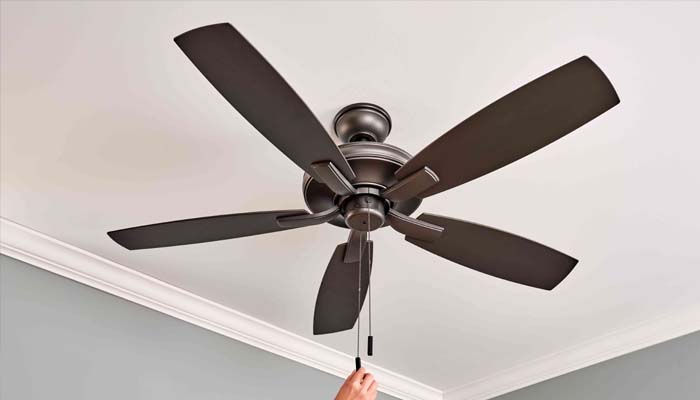
Why Ceiling Fan Direction Matters for Comfort and Efficiency
The ceiling fan direction plays an important role in how air moves around a room and how comfortable it feels in different seasons. When the fan spins in the correct direction, it helps create better air circulation, making the space feel cooler in summer and distributing warm air more evenly in winter. Using the proper direction can also support energy efficiency, because it allows you to rely less on heating or air conditioning while maintaining a comfortable indoor environment.
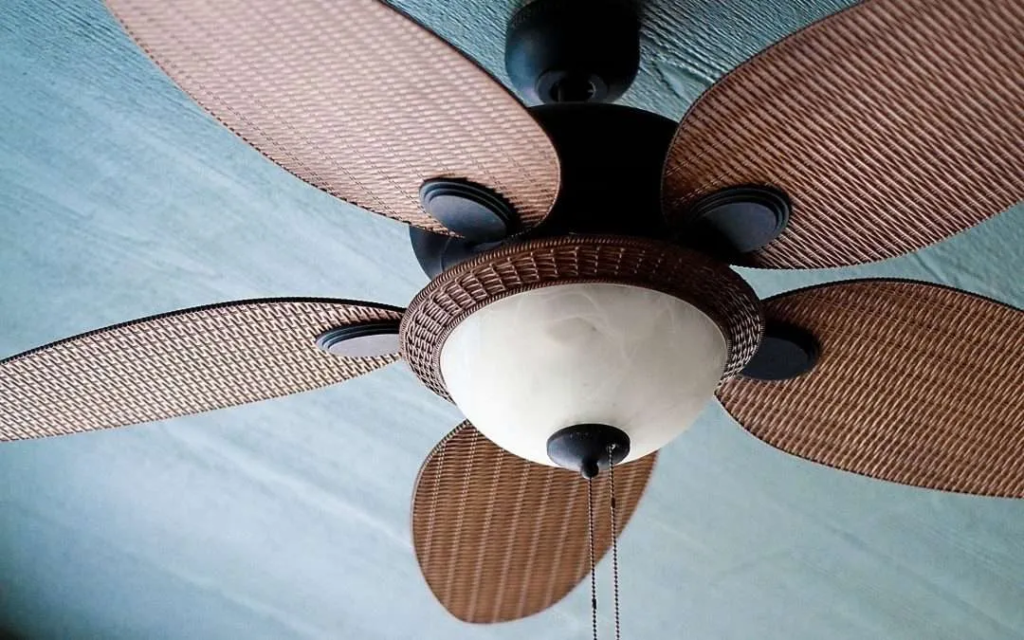
Ceiling Fan Direction for Summer Cooling
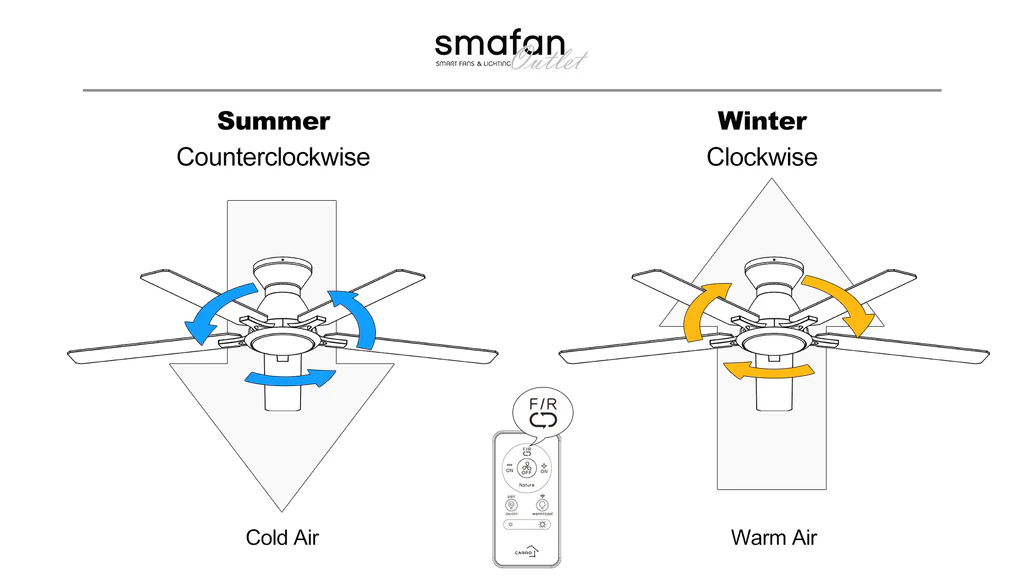
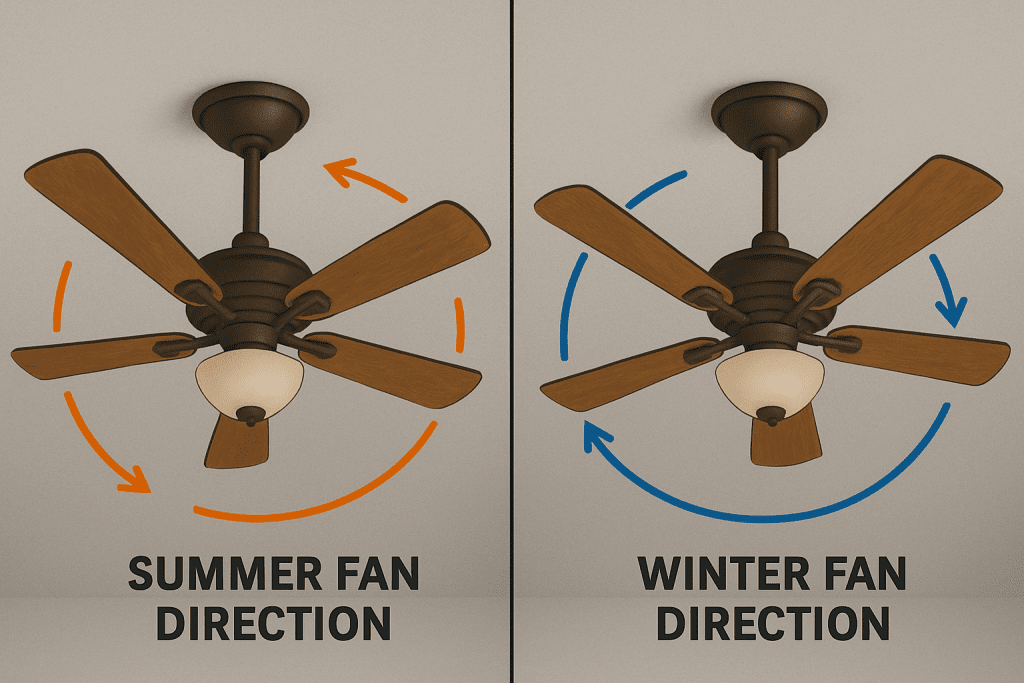
During the summer months, the ideal ceiling fan direction is counterclockwise when viewed from below. In this direction, the fan blades push air downward, creating a steady breeze that produces a natural cooling effect on your skin. This airflow helps your body release heat more easily, which can make the room feel several degrees cooler even though the actual temperature stays the same.
To get the best results, the fan should run at a medium or high speed so it can circulate air throughout the room. The stronger airflow prevents warm air from building up near the ceiling and improves overall air movement in the space. When used alongside air conditioning, the correct ceiling fan direction can help maintain comfort while also supporting better energy efficiency in your home.
Using Ceiling Fan Direction to Improve Winter Heating
In colder months, adjusting the fan to rotate clockwise at a low speed helps improve indoor warmth. This setting gently pulls cool air upward and pushes the warm air trapped near the ceiling back down along the walls, allowing heat to spread more evenly across the room. As a result, the space can feel more comfortable and balanced, and your heating system may not need to work as hard to maintain the desired temperature.
How to Change and Check Your Ceiling Fan Direction
Changing or checking your fan’s rotation is usually simple and only takes a moment. First, turn the fan off and wait for the blades to stop completely. Then locate the small reverse switch on the motor housing or use the direction button on the remote control if your fan has one. After switching the direction, turn the fan back on and observe the airflow: if you feel a strong breeze blowing downward, it’s set for summer use, while a gentle upward airflow indicates the winter setting.
Common Ceiling Fan Direction Mistakes to Avoid
Many people leave their fan running in the same direction all year, which reduces its effectiveness and can waste energy. Another common mistake is using a high speed during winter, which can create an uncomfortable draft instead of gently circulating warm air. For the best results, always adjust the fan’s seasonal settings and turn it off when the room is empty, since fans cool or warm people through airflow rather than changing the actual room temperature.
Conclusion
Choosing the correct ceiling fan direction for each season can make a noticeable difference in home comfort and energy use. By adjusting the fan to create cooling airflow in summer and better heat circulation in winter, you can maintain a more balanced indoor temperature while reducing reliance on heating and air conditioning. Small changes like this help improve airflow, comfort, and efficiency throughout the year.read About Pepper Home Curtains
FAQs
1. How do I know if my ceiling fan is spinning in the right direction?
Stand under the fan and look up. If you feel a strong breeze blowing downward, the fan is set for summer. If the airflow feels gentle and indirect, it is likely set for winter circulation.
2. Should a ceiling fan run clockwise or counterclockwise in summer?
In summer, the fan should rotate counterclockwise. This pushes air downward and creates a cooling breeze that helps your body feel more comfortable in warm temperatures.
3. What fan speed should I use during winter?
During winter, the fan should rotate clockwise at a low speed. This setting circulates warm air that gathers near the ceiling without creating a cold draft.
4. Does changing fan direction really save energy?
Yes, using the correct seasonal settings improves air circulation, which can help maintain comfortable temperatures and reduce the need for heavy heating or air conditioning.
