

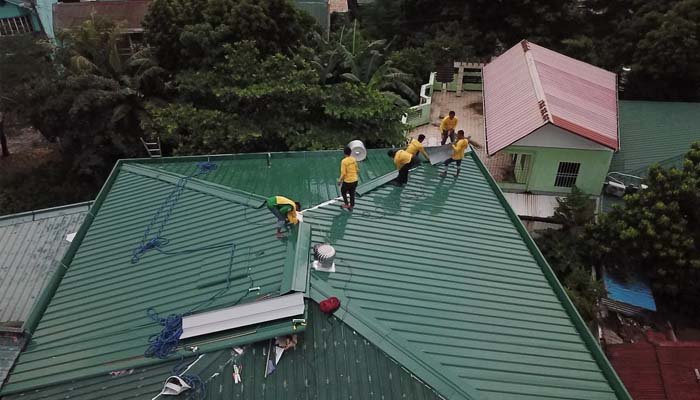
When most homeowners think about a roofing project, they picture shingles, underlayment, flashing, and the finished appearance of the roof. What many do not see is the complex material-handling process that often takes place behind the scenes. Modern residential roofing projects frequently involve lifting heavy materials, structural components, equipment, and specialty roofing systems to elevated work areas.
As homes grow larger and architectural designs become more sophisticated, roofing installations require more than ladders and manual labor. Rigging is critical to moving materials safely, efficiently, and accurately. From lifting roof trusses and bundles of shingles to positioning prefabricated components, proper rigging helps ensure roofing projects stay on schedule while reducing risks to workers and property.
The Growing Complexity of Residential Roofing Projects
Today’s residential roofing projects are often far more demanding than traditional roof replacements. Homeowners increasingly choose larger homes, steeper roof pitches, custom rooflines, solar panel systems, metal roofing, and specialty architectural features.
These projects often require contractors to handle heavier, more cumbersome materials than in the past. Large roof trusses, engineered lumber, steel reinforcement components, skylights, solar equipment, and oversized roofing panels can be difficult to move safely with manual methods alone.
In many cases, materials must be lifted over landscaping, fences, garages, pools, or existing structures to reach the installation area. This creates challenges that require careful planning and specialized lifting equipment.
Why Manual Material Handling Has Limits
While roofing crews routinely carry materials by hand, there comes a point when manual handling becomes inefficient and potentially unsafe. Repeatedly carrying heavy bundles of shingles or large roofing panels up ladders increases physical strain on workers and can contribute to injuries.
Manual handling also introduces additional risks, including dropped materials, damaged products, and delays due to fatigue. As project sizes increase, contractors often rely on mechanical lifting methods, supported by professional rigging practices, to improve productivity and safety.
The goal is not simply to move materials faster. It is to maintain full control over the load from the moment it leaves the ground until it reaches its final destination.
How Rigging Supports Safe Material Movement
Rigging refers to the equipment, hardware, and techniques used to safely lift and move loads. Every successful roofing lift depends on selecting the appropriate rigging configuration for the load.
Professional rigging involves evaluating factors such as load weight, dimensions, center of gravity, lifting points, and environmental conditions. Proper rigging helps prevent loads from shifting unexpectedly while suspended.
Common rigging hardware used in roofing projects includes synthetic web slings, wire rope slings, chain slings, shackles, hooks, and master links. These components work together to create secure lifting connections between the load and the lifting equipment.
Choosing the right rigging hardware is essential because each material type and load configuration poses unique lifting challenges.
The Importance of Below-the-Hook Lifting Equipment
One of the most valuable tools for complex roofing installations is below-the-hook lifting equipment. These devices connect directly to a crane hook and improve load control, stability, and safety.
Examples of below-the-hook lifting devices include lifting beams, spreader bars, pallet lifters, material baskets, and specialized lifting frames.
For roofing applications, spreader bars are often used to lift long or oversized materials. By distributing lifting forces across multiple points, they help prevent bending, twisting, or damage during the lift.
Lifting beams provide added stability when handling palletized roofing materials or structural components. Material baskets enable crews to safely transport tools, fasteners, flashing materials, and other supplies to elevated work areas.
Using the appropriate below-the-hook lifting equipment enables contractors to manage loads more effectively while reducing stress on both the materials and the rigging system.
Lifting Roof Trusses and Structural Components
Many residential roofing projects involve installing prefabricated roof trusses. These structural components can be large, awkwardly shaped, and difficult to maneuver by hand.
Rigging professionals often use cranes or telehandlers to position trusses safely and accurately. Synthetic slings may be used to protect finished surfaces, while shackles and master links provide secure connection points between the lifting equipment and the load.
For longer trusses, spreader bars can help maintain proper load balance and prevent structural distortion during lifting.
Accurate placement is critical because even minor positioning errors can affect the overall alignment of the roofing system.
Managing Roofing Materials More Efficiently
Efficiency is a major consideration in every roofing project. Delays in material delivery can slow installation crews and increase labor costs.
Rigging allows contractors to place materials exactly where they are needed, reducing unnecessary movement across the roof. Instead of manually transporting bundles from one area to another, crews can receive materials directly at the work location.
This streamlined approach provides several advantages:
- Reduced worker fatigue
- Faster project completion
- Improved job site organization
- Lower risk of material damage
- Better use of labor resources
By minimizing manual handling, contractors can spend more time on installation and less time transporting materials.
Weather and Load Control Considerations
Roofing projects are often exposed to changing weather conditions, making load control especially important. Wind can significantly affect suspended loads, particularly when handling large roofing panels, trusses, or prefabricated sections.
Proper rigging techniques help maintain stability throughout the lift. Tag lines may be used to control load movement, and carefully selected lifting points help ensure balanced load distribution.
Rigging professionals also closely monitor weather conditions and may postpone lifts if conditions pose unacceptable risks.
Maintaining load control throughout the operation is essential to protect both workers and the structure.
Planning Makes Every Lift Safer
Successful roofing lifts rarely happen by accident. They result from detailed planning and preparation.
Before lifting begins, contractors and rigging personnel typically assess:
- Load weight and dimensions
- Roof access requirements
- Equipment capacities
- Potential obstacles
- Ground conditions
- Weather forecasts
- Material staging locations
This planning process helps identify potential hazards before they become problems and ensures the appropriate equipment is available for the task.
Well-planned lifting operations not only improve safety but also facilitate smoother project execution.
Why Rigging Is Essential for Modern Roofing Projects
As residential roofing projects become more complex, the importance of professional rigging continues to grow. Modern homes often feature larger roofs, heavier materials, and architectural designs that require precise material placement.
Rigging provides the foundation for safe and efficient lifting operations. Using slings, shackles, rigging hooks, master links, lifting beams, spreader bars, material baskets, and other below-the-hook lifting devices, contractors can move roofing materials with greater control and confidence.
Whether installing roof trusses, lifting metal roofing panels, positioning skylights, or delivering palletized materials to elevated work areas, proper rigging helps ensure each lift is completed safely and efficiently. For complex residential roofing installations, rigging is not merely a supporting task; it is a critical part of project success.
