

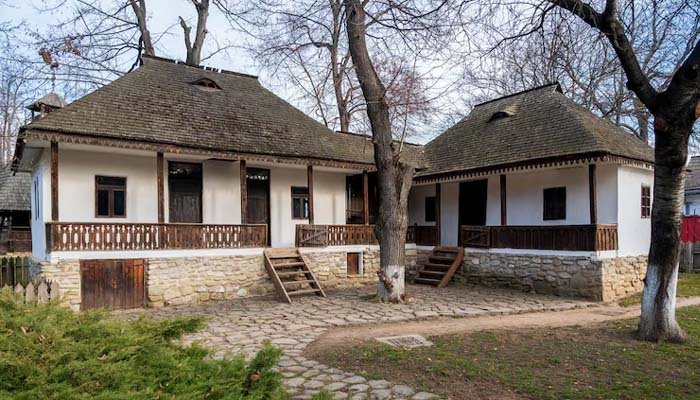
The Meaning and Origins of Village Home Old Design
The village home old design refers to traditional rural houses built using local materials, simple layouts, and practical construction methods that developed long before modern architecture. These homes originated in rural communities where people relied on mud, stone, wood, and clay to create shelters that matched their environment and lifestyle. Over time, each region shaped its own unique style based on climate, culture, and available resources, making village homes highly adaptive and naturally efficient.
Key Architectural Features of Traditional Village Homes
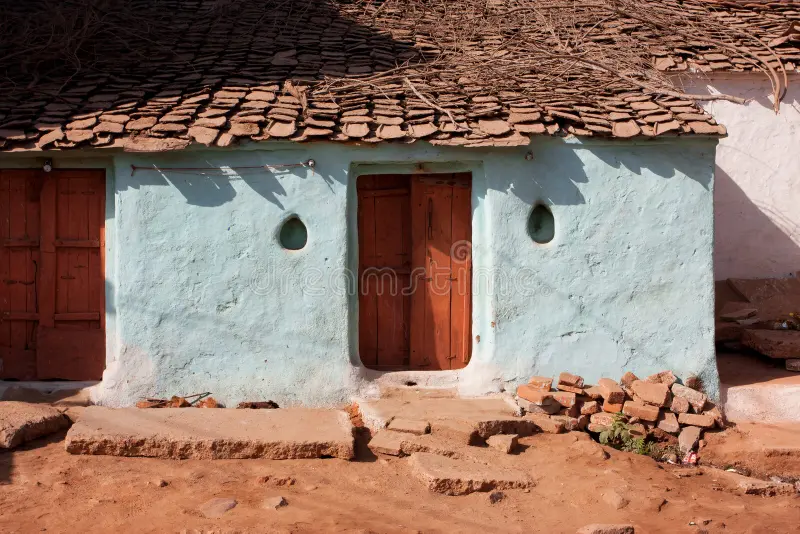
Traditional village homes are known for their simple yet highly functional architecture that focuses on everyday living needs. One of the main features of village home old design is the presence of open spaces such as courtyards and verandas, which allow families to gather, work, and relax in a shared environment. The room layout is usually straightforward, with fewer partitions and more flexible spaces that support both household activities and farming-related tasks.
Another important feature is the strong focus on natural ventilation and climate control. These homes are designed with small windows, thick walls, and sloped roofs to maintain a comfortable indoor temperature throughout the year. Airflow is carefully considered in the layout, helping keep interiors cool in hot weather and warm during colder seasons. This practical design approach makes traditional village homes both efficient and environmentally balanced.
Materials and Construction Techniques Used in Old Village Homes
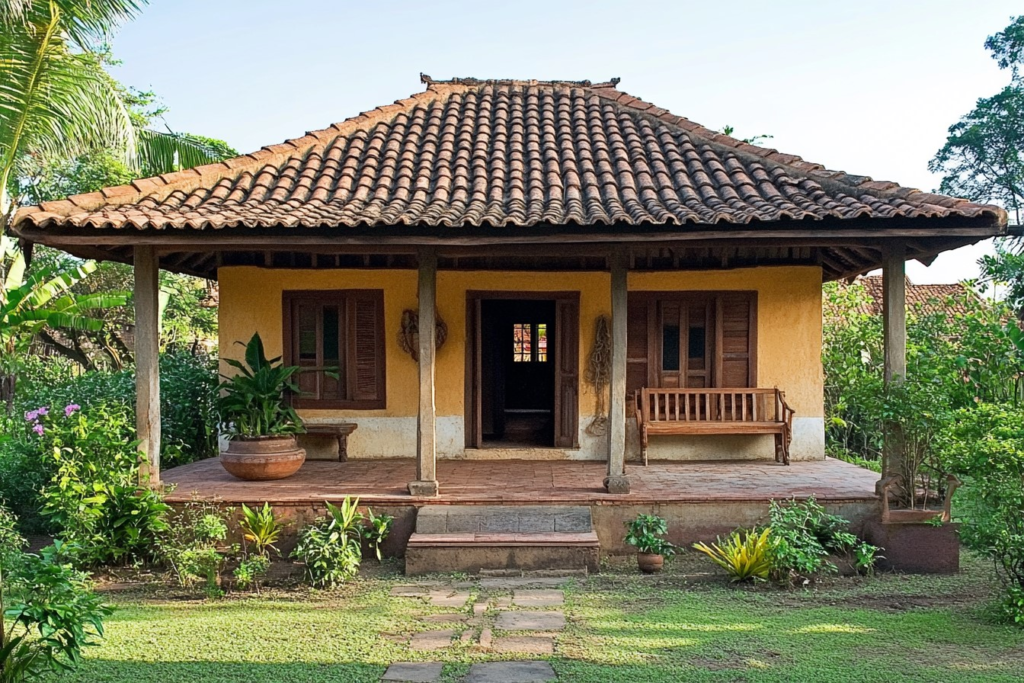
The village home old design is strongly defined by its use of natural, locally sourced materials that are both affordable and environmentally friendly. Traditional homes are commonly built using mud, clay, stone, wood, and bamboo, which are chosen based on what is easily available in the region. These materials not only reduce construction costs but also provide excellent thermal insulation, helping keep homes cool in summer and warm in winter.
In terms of construction techniques, old village homes rely on manual craftsmanship and traditional building methods passed down through generations. Local builders use simple tools instead of modern machinery, carefully shaping and assembling materials by hand. Walls are often made by layering and compacting mud or stone, while wooden beams support the roof structure. This approach results in homes that are durable, breathable, and naturally integrated with the surrounding environment.
Why Village Home Old Design Is Still Popular Today
The village home old design remains popular today because it offers a rare combination of simplicity, comfort, and sustainability that many modern homes lack. People are increasingly drawn to these traditional designs due to their natural cooling system, low construction cost, and eco-friendly materials, which make them both practical and energy-efficient. Unlike modern concrete structures that depend heavily on electricity for temperature control, village homes maintain a balanced indoor climate through smart architectural planning.
Another reason for their continued appeal is the strong sense of cultural identity and emotional connection they provide. Many homeowners appreciate how these designs reflect heritage, family traditions, and rural lifestyle values, creating a feeling of warmth and belonging. Even in urban areas, architects are now inspired by old village concepts to design modern homes that blend traditional charm with contemporary comfort, keeping this architectural style relevant in today’s world.
Modern Influence of Traditional Village Architecture
The village home old design has significantly influenced modern architecture, especially in the growing trend of eco-friendly and sustainable housing. Today’s architects often borrow ideas from traditional village homes, such as courtyards, natural ventilation, shaded verandas, and thick insulating walls, to create homes that are more energy-efficient and comfortable. These elements are being reintroduced in modern designs to reduce dependence on artificial cooling and heating systems, making houses more environmentally responsible.
At the same time, modern construction techniques have upgraded these traditional concepts with concrete, steel, and advanced building materials, allowing for greater durability and style flexibility. This blend of old and new creates homes that preserve the cultural essence of rural architecture while meeting today’s urban lifestyle needs, showing how timeless and adaptable village design principles truly are.
Conclusion
The village home old design continues to hold value because it represents a perfect balance of tradition, practicality, and natural living. These homes were created with simple yet intelligent ideas that make them comfortable, durable, and well-suited to different climates. Even in the modern era, their influence can be seen in sustainable architecture and eco-friendly housing trends. Ultimately, village home designs remind us that true comfort often comes from simplicity and harmony with nature, not just modern technology or luxury. Read About Mobile Home Color Ideas
FAQs
1. What is village home old design?
It refers to traditional rural house designs built using local materials like mud, wood, and stone with simple layouts.
2. Why are old village homes still important?
They are valued for their natural cooling, low cost, and eco-friendly construction methods.
3. What materials are used in traditional village houses?
Common materials include mud, clay, stone, bamboo, and wood.
4. Can modern houses be designed like village homes?
Yes, many modern homes now use courtyards, natural ventilation, and traditional elements for a sustainable design approach.
