

Understanding the Purpose of Your Outdoor Kitchen Design
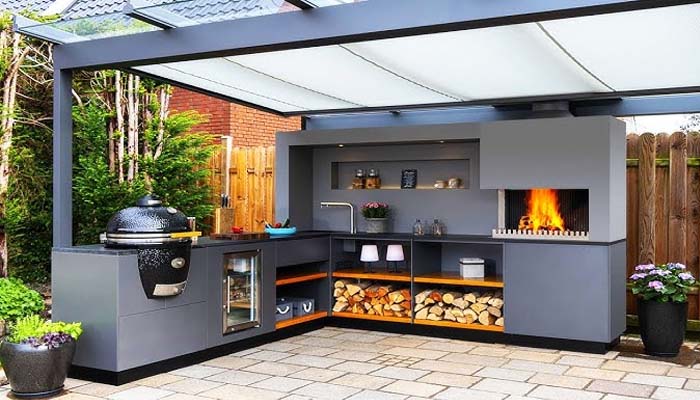
Before starting any backyard project, it’s important to think about how the space will actually be used. Some homeowners want a simple grilling station for casual weekends, while others prefer a complete cooking and dining area for entertaining guests. Defining your needs early helps you plan the right layout, appliances, and seating, ensuring the space feels both practical and enjoyable for everyday use.
Choosing the Right Layout for an Outdoor Kitchen Design
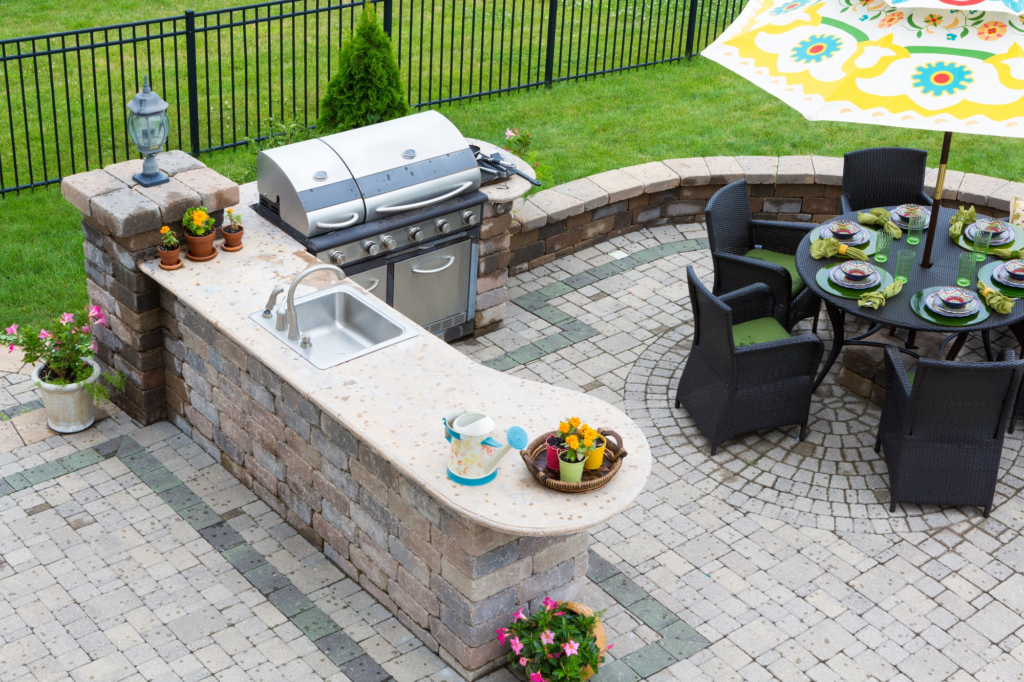
The layout is one of the most important elements of a successful outdoor kitchen design, as it determines how smoothly cooking and entertaining will work in the space. A well-planned layout keeps essential areas—such as the grill, preparation counter, and serving space—organized and easy to access. Many homeowners prefer a straight or linear layout for smaller patios because it keeps everything compact while still providing enough room for cooking and food preparation.
For larger backyards, an L-shaped or U-shaped outdoor kitchen design can offer more flexibility and workspace. These layouts create separate zones for cooking, prepping, and serving, which helps improve workflow and convenience during gatherings. By carefully planning the layout around the available space and how people will move through the area, you can create a kitchen that feels both functional and welcoming for everyday use and entertaining.
Selecting Durable Materials and Appliances
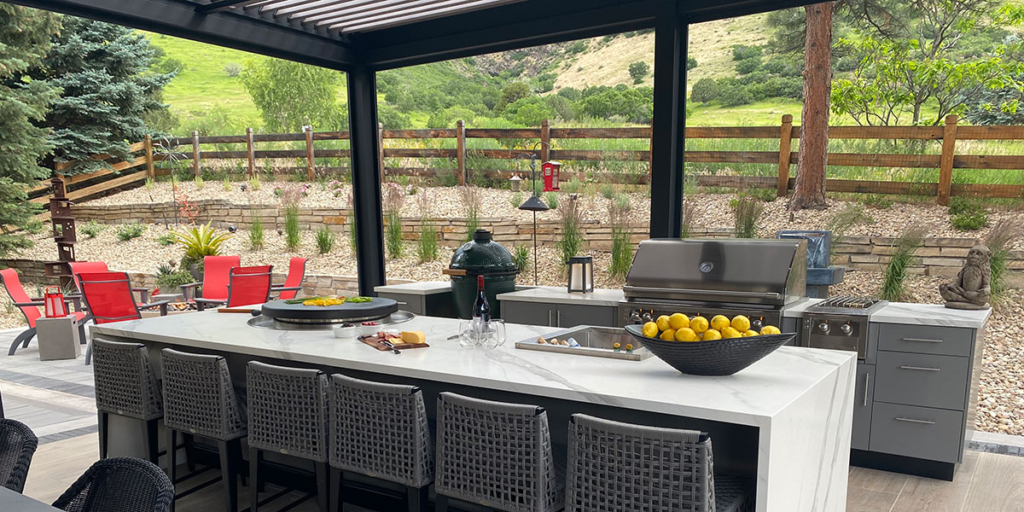
Choosing the right materials and appliances is essential for building a space that can handle changing weather conditions and frequent outdoor use. Surfaces like stainless steel, natural stone, and concrete countertops are popular because they are durable and resistant to moisture, heat, and sunlight. Investing in weather-resistant appliances and cabinetry also helps maintain performance and appearance over time, ensuring the cooking area remains both reliable and easy to maintain.

Creating Comfortable Dining and Entertainment Areas
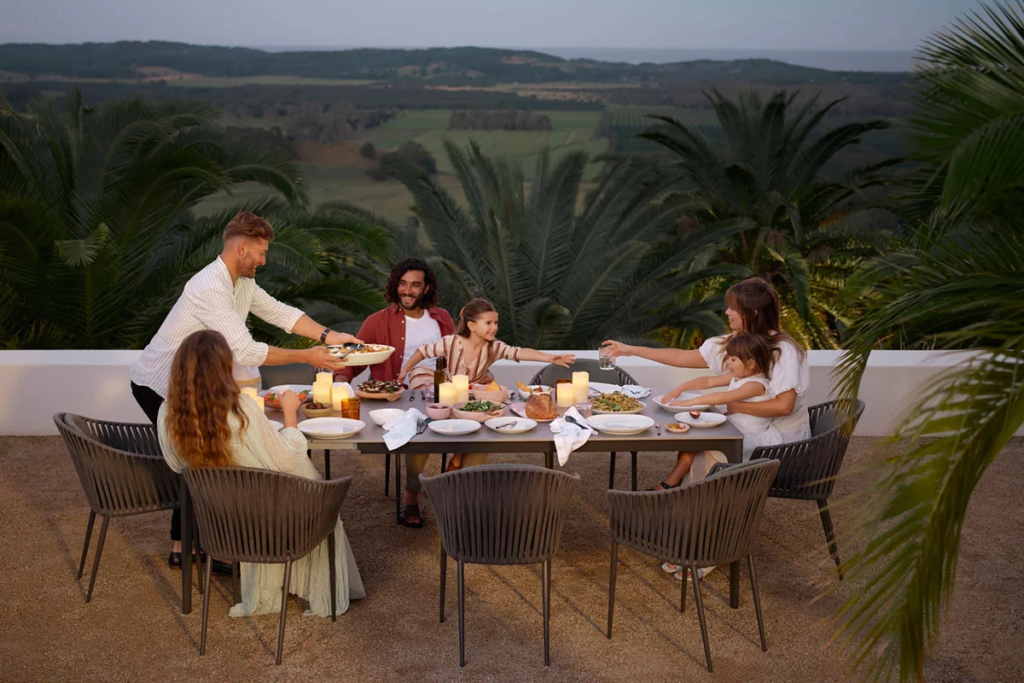
A well-designed outdoor space should feel inviting for both meals and social gatherings. Adding features like comfortable seating, shaded dining areas, and ambient lighting helps create a relaxed environment where guests can enjoy spending time. Elements such as bar seating, outdoor tables, or lounge furniture can also make the area more versatile, allowing it to function as both a casual dining spot and a place for entertaining friends and family.
Smart Planning Tips for a Functional Outdoor Kitchen
Careful planning helps ensure the space is both practical and enjoyable to use throughout the year. Start by considering factors such as available space, proper ventilation, and access to utilities like water and electricity. It’s also helpful to include adequate lighting, storage solutions, and weather protection, which can improve convenience and extend the usability of the space during different seasons.
Conclusion
Planning the perfect cooking area in your backyard requires thoughtful decisions about layout, materials, and comfort features. By focusing on functionality, durability, and smart design choices, you can create a space that supports both everyday cooking and social gatherings. When planned carefully, this type of setup can enhance your home’s outdoor living experience and make spending time outside more enjoyable.read About Ceiling Fan Direction
FAQs
1. What is the most important factor when planning an outdoor cooking area?
The most important factor is having a clear plan for layout and functionality, ensuring cooking, preparation, and seating areas work well together.
2. Which materials work best for outdoor cooking spaces?
Durable materials like stainless steel, natural stone, and concrete are popular because they resist weather, heat, and moisture.
3. How much space do you need for an outdoor cooking setup?
Even small patios can accommodate a simple grill station, while larger yards allow for more features like seating and prep areas.
4. Is adding shade important for outdoor cooking areas?
Yes, shade structures such as pergolas, umbrellas, or covered patios improve comfort and protect appliances and guests from direct sunlight.
