

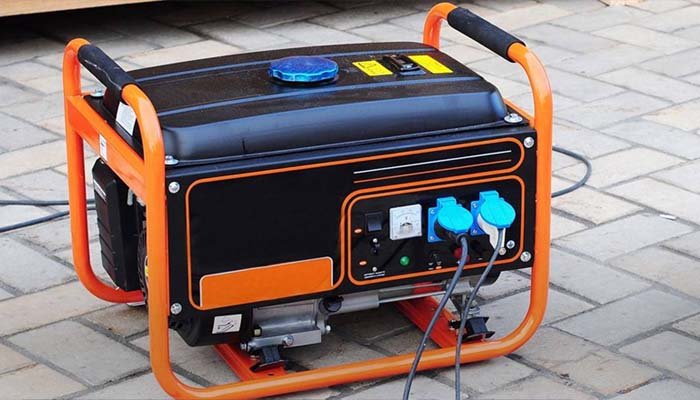
Understanding What a Home Electric Generator Does
A backup power system helps keep essential household equipment running when the main electrical supply stops working. It uses an engine and alternator to create electricity that can support appliances like refrigerators, lights, fans, medical devices, and internet equipment during emergencies. Some systems are designed for basic short-term power needs, while others can handle larger household electrical loads for extended outages. Modern units are also built with features such as automatic startup, quieter performance, and improved fuel efficiency, making them more practical for everyday homeowners who want dependable protection against unexpected blackouts.
Different Types of Home Electric Generators
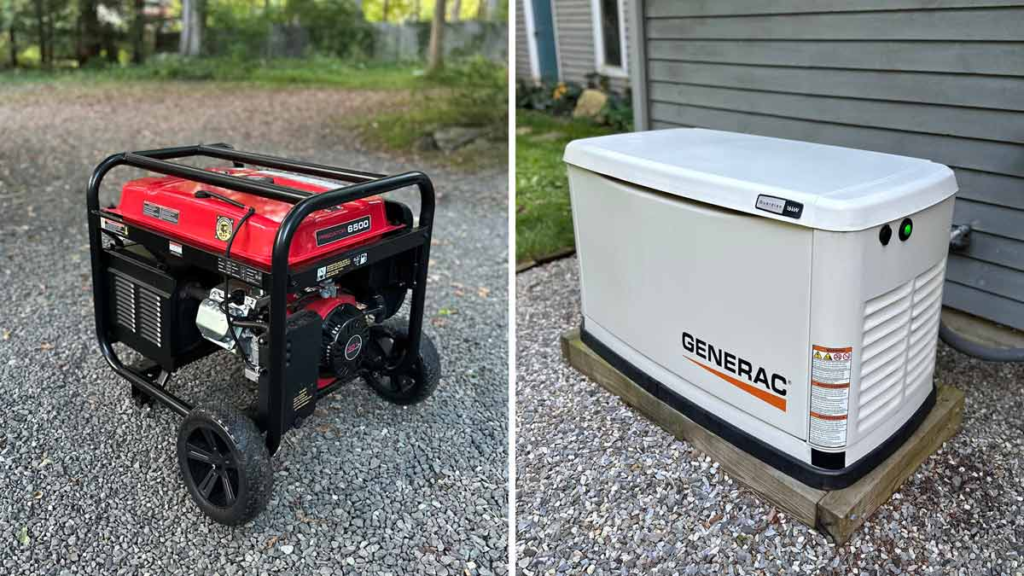
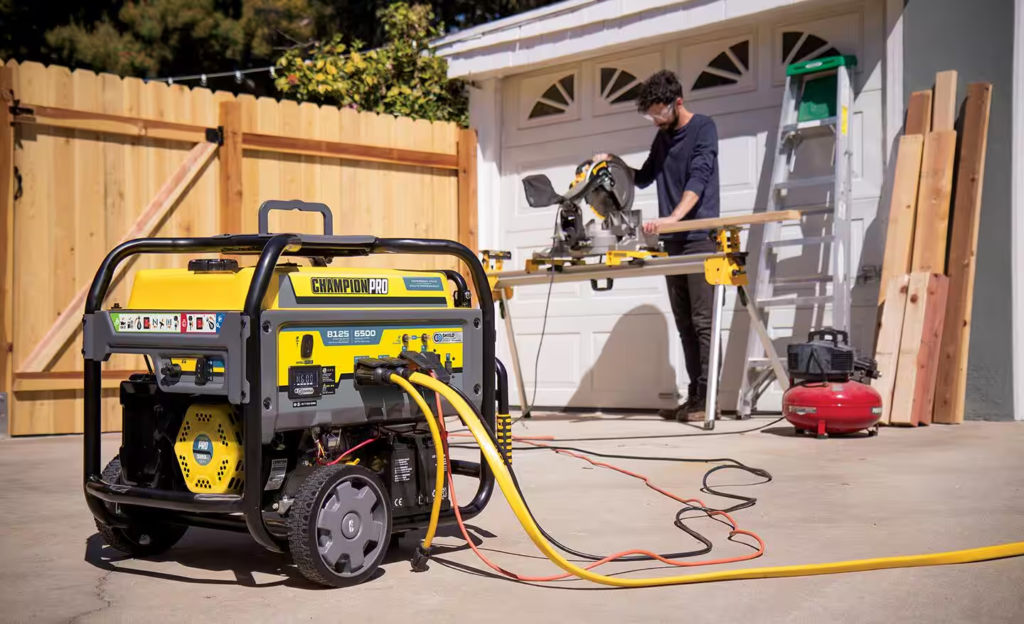
A home electric generator generally comes in two main categories: portable and standby systems. Portable generators are smaller, movable units that are commonly used during temporary outages or outdoor activities. They usually run on gasoline, propane, or dual-fuel setups and can power essential items like refrigerators, lights, chargers, and small appliances. Many homeowners choose portable models because they are more affordable, easier to store, and useful for short-term emergency backup. However, they often require manual setup and should always be operated outdoors for safety reasons.
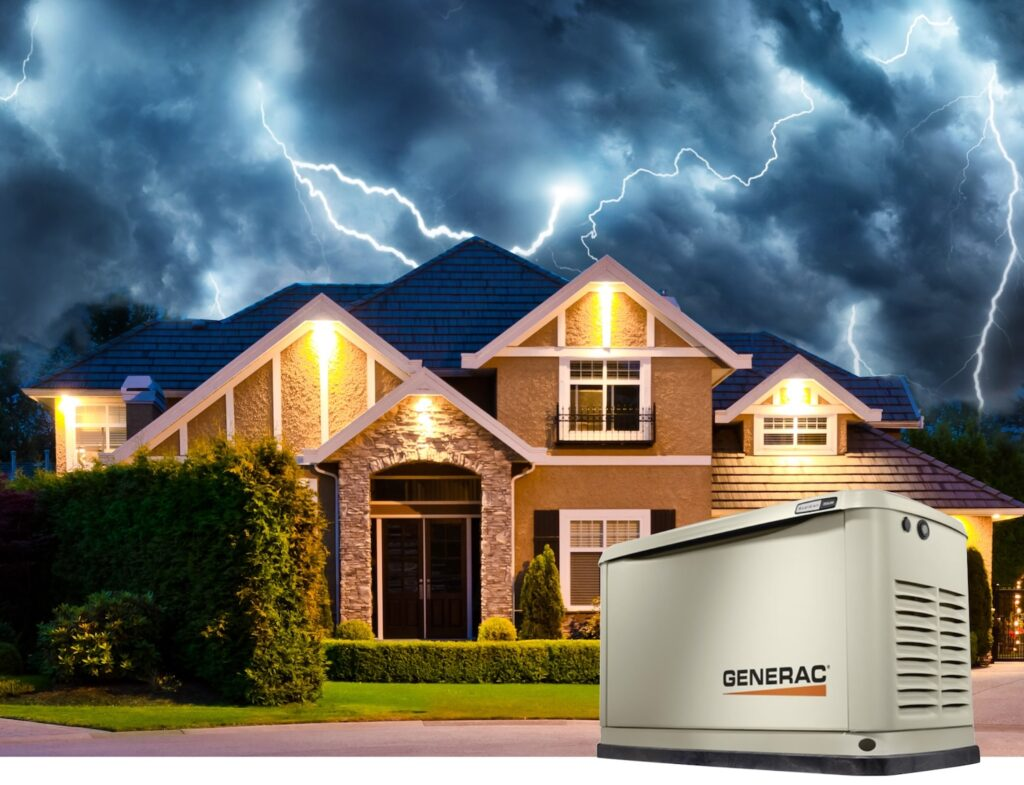
Standby systems are permanently installed outside the house and connect directly to the home’s electrical panel. This type of home electric generator automatically turns on when utility power fails, providing a smoother and more reliable backup solution. Standby units are commonly powered by natural gas or propane and can support larger electrical demands, including air conditioning systems, heating equipment, and multiple rooms at the same time. While installation costs are higher, many homeowners value the automatic operation, longer runtime, and added convenience these systems provide during severe weather or long power outages.
How Generators Power Your Home During an Outage
When the main electrical grid fails, a backup power system detects the interruption and begins supplying electricity to selected circuits or the entire house, depending on the setup. Portable units usually require manual startup and connection, while standby systems switch on automatically within seconds through an automatic transfer switch. The engine creates mechanical energy, which the alternator converts into usable electricity for household appliances and systems. This process helps keep essential devices running smoothly, including refrigerators, lighting, heating systems, internet equipment, and medical devices during emergencies. Modern systems are designed for stable power delivery, improved fuel efficiency, and safer operation, helping homeowners maintain comfort and functionality until utility power is restored.
Choosing the Right Generator Size and Fuel Type
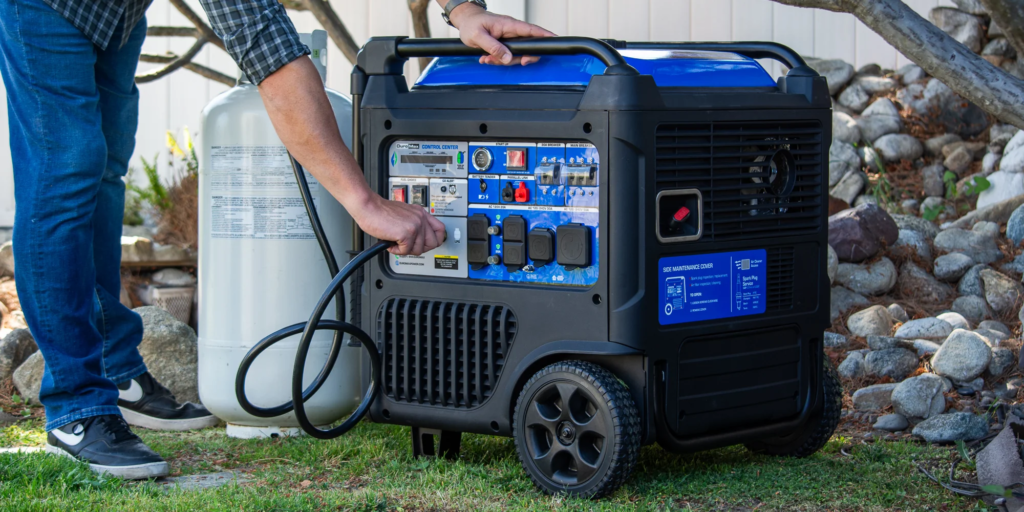
Selecting the correct generator size depends on how many appliances and systems you want to operate during a power outage. Smaller units may handle essentials like lights, refrigerators, and phone chargers, while larger systems can support air conditioning, heating equipment, and multiple rooms at once. Calculating total wattage requirements is important because an undersized unit may overload, while an oversized system can increase fuel consumption and operating costs. Fuel type also plays a major role in performance and convenience. Gasoline generators are widely available and affordable, propane systems offer cleaner storage and longer shelf life, and natural gas units provide continuous fuel access through utility lines. Some homeowners also prefer dual-fuel options for added flexibility during emergencies and changing fuel availability.
Safety, Maintenance, and Long-Term Reliability
Proper safety practices and regular maintenance are essential for keeping a backup power system reliable over time. Generators should always be operated outdoors in a well-ventilated area to reduce the risk of carbon monoxide exposure, and fuel should be stored safely according to manufacturer recommendations. Routine tasks such as checking oil levels, replacing air filters, testing the battery, and running the system periodically can help prevent unexpected failures during emergencies. Many modern units now include automatic shutoff protection, quieter operation, and monitoring features that improve both safety and long-term performance. Consistent upkeep not only extends equipment lifespan but also ensures dependable operation when reliable power is needed most.
Conclusion
Reliable backup power can make a major difference during unexpected outages by helping households maintain comfort, safety, and access to essential appliances. Choosing the right system involves understanding power needs, fuel options, installation requirements, and long-term maintenance responsibilities. With advances in fuel efficiency, automatic operation, and quieter technology, modern generators have become more practical for everyday residential use. Investing in a dependable backup solution and following proper safety practices can provide greater peace of mind during severe weather events and unexpected electrical disruptions.Read About Bathroom Shower Ideas
FAQs
What size generator is usually needed for a house?
The right size depends on how many appliances and systems you want to power. Small units may handle essentials, while larger systems can support heating, cooling, and multiple rooms during an outage.
How long can a generator run continuously?
Runtime varies based on fuel type, tank capacity, and power demand. Some portable units run for several hours, while standby systems connected to natural gas can operate for much longer periods.
Is it safe to use a generator during bad weather?
Yes, but generators should always be placed outdoors in a dry, well-ventilated area away from windows and doors. Using them indoors or in enclosed spaces can create dangerous carbon monoxide buildup.
How often should a generator be maintained?
Most manufacturers recommend routine inspections, regular oil changes, battery testing, and running the system periodically to ensure reliable performance during emergencies.
