

Understanding the Purpose of a Home Table
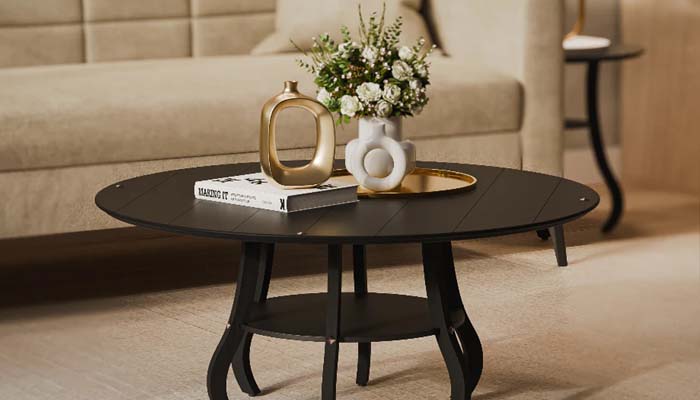
Choosing the right home table starts with understanding how it will be used in your daily routine. In many homes, a table is more than just furniture—it serves as a central surface for dining, working, organizing items, or displaying décor. For example, a dining table is designed for family meals and gatherings, while a coffee table in the living room often holds books, drinks, or decorative accents. By clearly identifying the main purpose, frequency of use, and location of the table, you can select a design that offers both practical functionality and visual balance within your living space.
Choosing the Right Size and Shape for Your Space
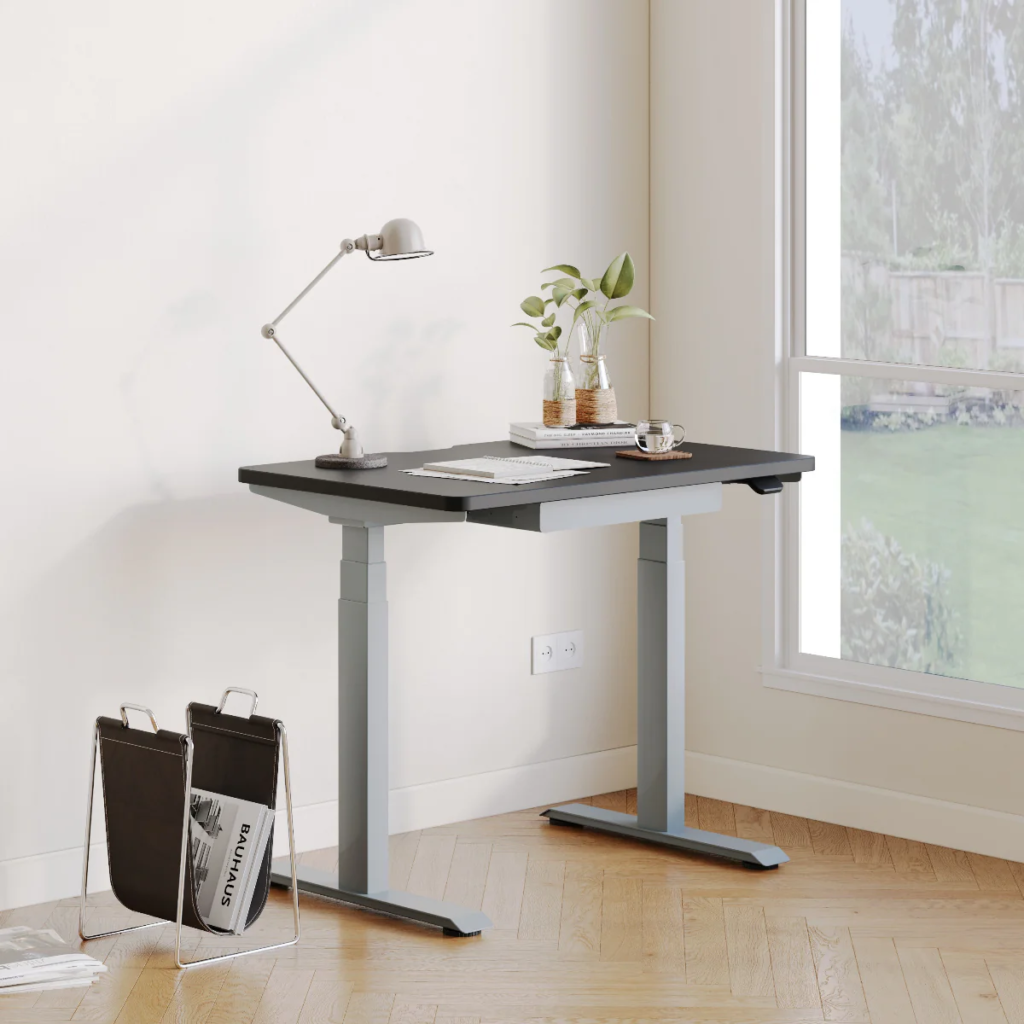
Selecting the correct size for a home table is essential to ensure both comfort and smooth movement within a room. A table that is too large can make a space feel cramped, while one that is too small may not provide enough surface for daily use. Before choosing a table, measure the available floor space and leave enough clearance around it so chairs can move easily and people can walk comfortably. Interior design experts often recommend maintaining at least 90–100 cm of walking space around a dining or central table to keep the room functional and balanced.
The shape of the table also plays a significant role in how well it fits your layout and supports everyday activities. Rectangular tables are common for larger dining rooms because they provide more seating and surface area, while round tables work well in smaller spaces by improving flow and conversation. Square tables can suit compact rooms or small dining areas, and oval designs combine the seating benefits of rectangular tables with softer edges that make movement easier. Choosing the right combination of size, proportion, and shape helps a home table feel naturally integrated into the room rather than overpowering it.
Selecting the Best Materials and Build Quality
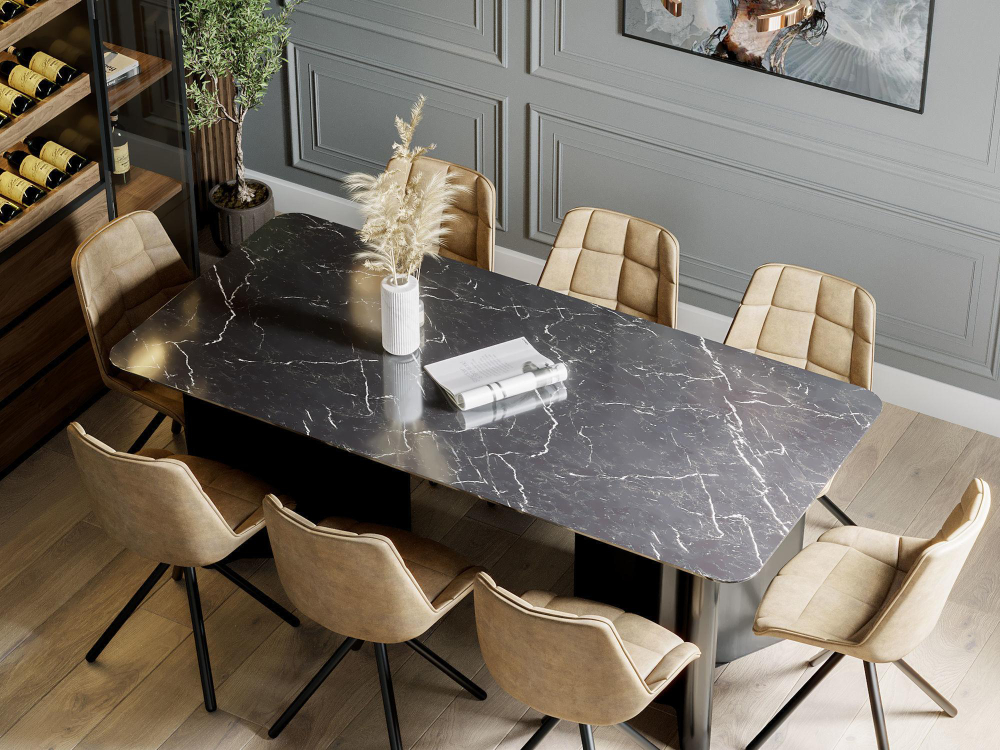
The materials and construction quality of a home table play a major role in its durability, appearance, and long-term value. Solid wood tables made from materials like oak, walnut, or maple are known for their strength and timeless look, making them a popular choice for dining and living spaces. Meanwhile, glass, metal, and engineered wood options can offer a more modern style and often fit well in contemporary interiors. When choosing a table, it is important to look beyond appearance and check for sturdy joints, stable legs, and a well-finished surface, as these features indicate strong craftsmanship and help ensure the table can handle everyday use for many years.

Matching the Home Table With Your Interior Style
A home table should not only serve a practical purpose but also blend naturally with the overall interior design of your home. The style, color, and material of the table should complement surrounding furniture, flooring, and decorative elements to create a balanced and visually appealing space. For example, a wooden table with natural textures often fits well in rustic or traditional interiors, while glass or metal tables tend to suit modern and minimalist designs. Paying attention to design harmony, color coordination, and proportions helps ensure that the table enhances the room’s atmosphere instead of feeling out of place.
Balancing Functionality With Everyday Comfort
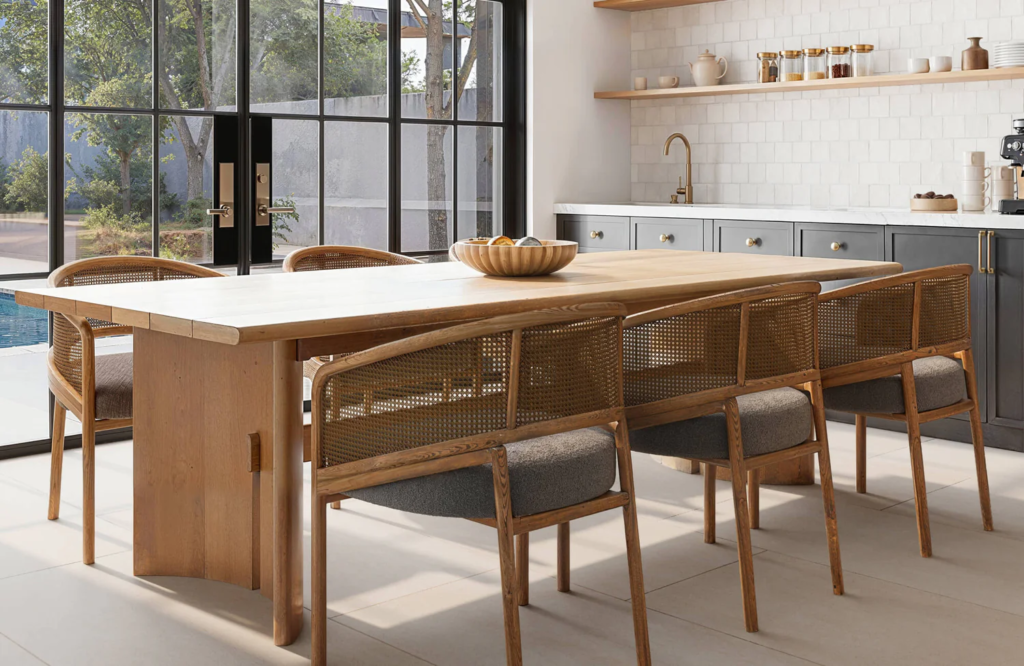
When selecting a home table, it is important to balance practical functionality with everyday comfort. A well-designed table should provide enough surface area for daily tasks while also allowing people to sit comfortably, move freely, and use the space without restriction. Features such as appropriate height, stable structure, and smooth edges contribute to a more comfortable experience, especially for tables used frequently for dining, working, or family activities. By focusing on both usability and comfort, you can choose a table that supports your routine while still maintaining a clean and attractive look in your home.
Conclusion
Choosing the right home table involves more than simply selecting a piece of furniture—it requires thoughtful consideration of purpose, size, material, and interior style. By understanding how the table will be used, selecting the appropriate shape and dimensions, and focusing on durable materials and comfortable design, you can find a table that fits naturally within your living space. A carefully chosen table not only improves daily functionality but also enhances the overall appearance and harmony of your home, making it a valuable and lasting addition to your interior. Read About How to Set Up a Home Office
FAQs
1. What size home table should I choose for my room?
The right size depends on your available space and how the table will be used. As a general rule, leave about 90–100 cm of space around the table so people can move comfortably.
2. Which material is best for a home table?
Solid wood is popular for its durability and timeless look, while glass and metal tables work well in modern interiors. The best choice depends on your style preference and daily usage needs.
3. What table shape works best for small spaces?
Round or oval tables are often ideal for smaller rooms because they improve movement and seating flexibility while taking up less visual space.
4. How do I match a home table with my existing furniture?
Choose a table that complements your color palette, materials, and design style. For example, wooden tables suit traditional interiors, while glass or metal tables fit modern or minimalist spaces.
