

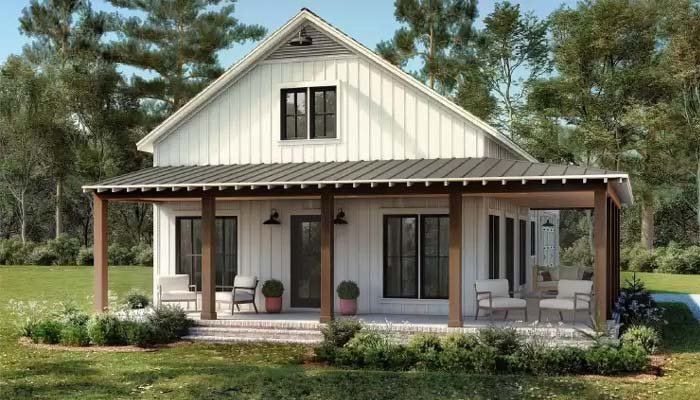
Understanding Small Home Plans in Modern Living
Small home plans are designed to deliver maximum functionality within a compact space, typically under 1,500 square feet, making them ideal for modern lifestyles focused on efficiency and affordability. Instead of prioritizing size, these homes emphasize smart layouts, open floor concepts, and multi-purpose areas that create a comfortable and practical living environment. With rising housing costs and limited urban space, many homeowners are choosing small home plans for their cost-effectiveness, easy maintenance, and flexible design options, allowing them to enjoy stylish living without unnecessary space or expenses.
Key Features That Make Small Homes Functional and Stylish
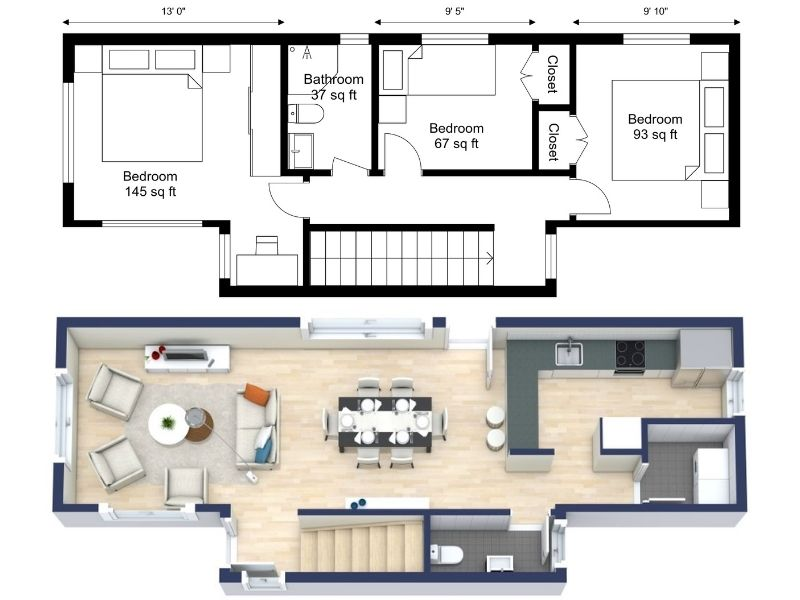
Small home plans rely on smart design elements to make limited space feel open and comfortable. One of the most important features is the open floor layout, which combines the kitchen, dining, and living areas into a single flowing space. This not only improves movement but also allows natural light to spread throughout the home, making it appear larger than it actually is. Additionally, large windows, sliding doors, and higher ceilings are often used to create a sense of openness while improving ventilation and brightness.
Another key aspect is the use of multi-functional spaces and built-in storage solutions. Rooms are often designed to serve more than one purpose, such as a guest room that doubles as a home office or a dining area with hidden storage. Features like wall-mounted shelves, under-stair storage, and compact furniture help maximize every inch of space without clutter. These thoughtful details ensure that small homes remain both stylish and highly practical, offering modern comfort in a limited footprint.
Cost, Efficiency, and Long-Term Value of Small Home Plans
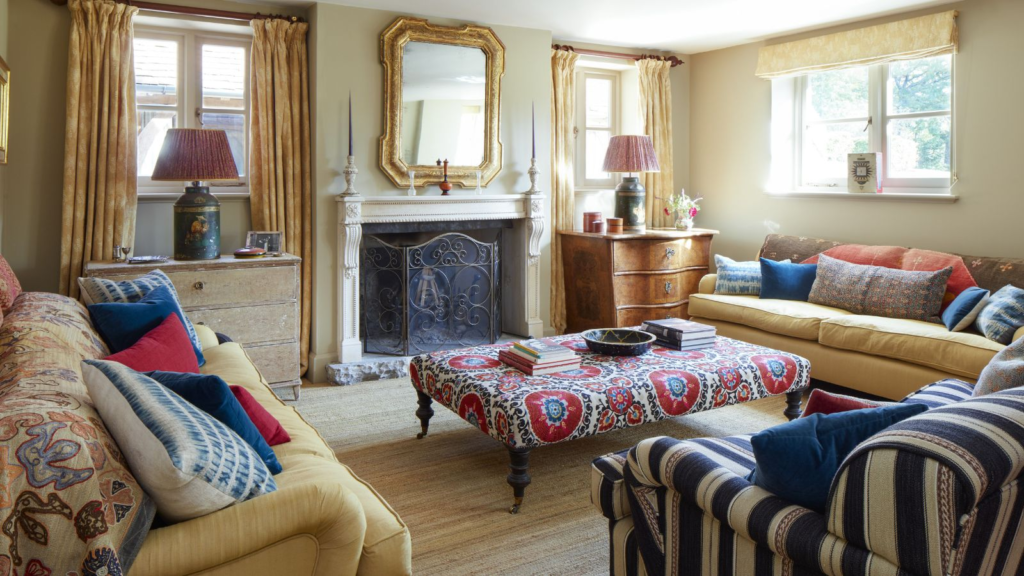
One of the biggest advantages of small home plans is their lower overall cost and long-term financial efficiency, making them a smart investment for many homeowners. With a smaller footprint, construction requires fewer materials and less labor, which significantly reduces upfront expenses. In addition, these homes offer lower utility bills, reduced maintenance costs, and improved energy efficiency, thanks to better insulation and compact design. Over time, this translates into greater savings and sustainable living, allowing homeowners to enjoy comfort and style without the financial burden of maintaining a larger property.
Choosing the Right Small Home Plan for Your Needs
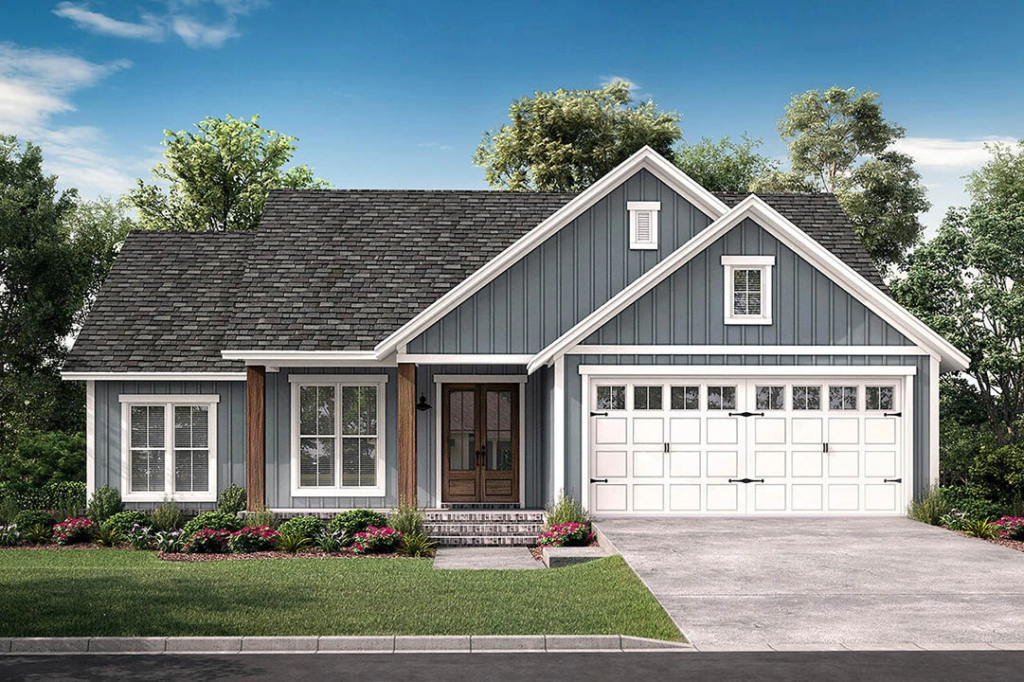
Selecting the right small home plan starts with understanding your lifestyle, space requirements, and future needs. It’s important to consider how many rooms you truly need and how each space will be used, ensuring a balance between comfort and efficiency. Look for designs that offer flexible layouts, smart storage solutions, and good natural lighting, as these features can significantly improve daily living. Additionally, factors like plot size, local building regulations, and long-term usability should guide your decision, helping you choose a plan that remains practical, stylish, and valuable over time.
Smart Design Trends Shaping Small Homes in 2026
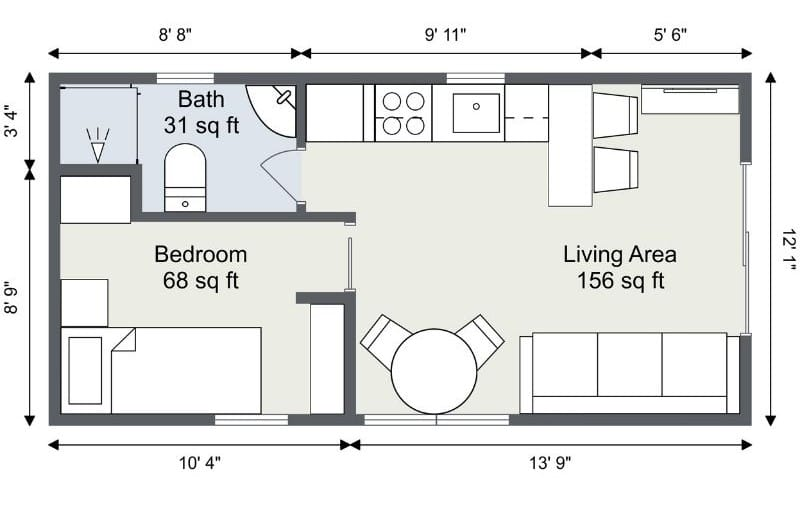
In 2026, small home plans are evolving with a strong focus on smart technology, sustainability, and flexible living spaces. Homeowners are embracing features like energy-efficient appliances, solar integration, and smart home systems that improve convenience while reducing utility costs. At the same time, design trends highlight minimalist interiors, neutral color palettes, and space-saving furniture, creating a clean and modern look. There is also a growing emphasis on indoor-outdoor living, with patios, balconies, and large glass doors helping extend usable space, making small homes feel more open, connected, and comfortable.
Conclusion
Small home plans offer a perfect balance of affordability, functionality, and modern style, making them an excellent choice for today’s homeowners. By focusing on smart layouts, efficient use of space, and cost-effective design, these homes provide long-term value without compromising comfort. Whether you are building your first home or downsizing, choosing a well-designed small home plan allows you to enjoy simpler living, lower expenses, and a more sustainable lifestyle while still meeting your everyday needs.Read About More Marble Slab
FAQs
1. What size is considered a small home plan?
A small home plan typically ranges between 600 and 1,500 square feet, depending on the design and layout, offering efficient living without excess space.
2. Are small home plans suitable for families?
Yes, many small home plans are designed with 2–3 bedrooms and flexible spaces, making them suitable for small families with smart space planning.
3. Do small homes reduce long-term costs?
Small homes generally have lower utility bills, maintenance costs, and property expenses, making them more affordable over time.
4. Can small home plans be customized?
Absolutely, most designs allow for custom layouts, storage solutions, and modern features to match individual lifestyle needs.
