

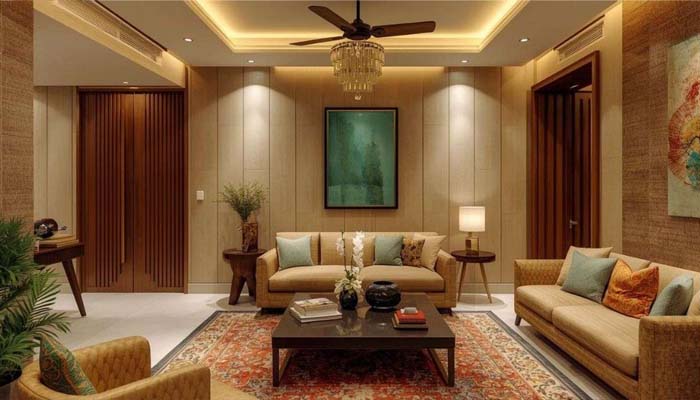
Understanding the Purpose of a Home Drawing Room Design
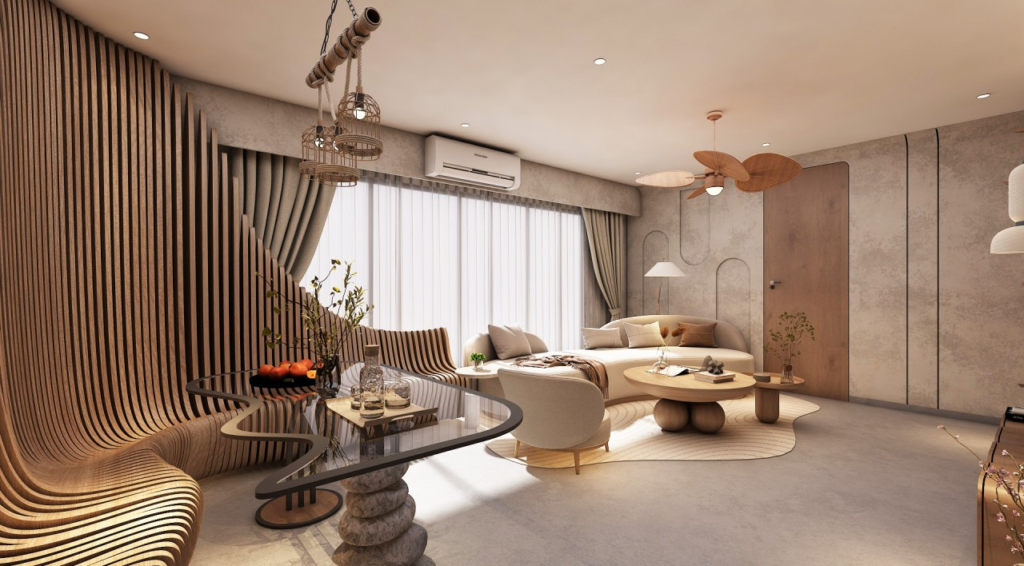
A well-planned home drawing room design starts with understanding how the space will actually be used in daily life. The drawing room often serves as the main social area of the home, where guests are welcomed and family members gather to relax, talk, or spend quality time together. Because of this, the design should focus on both comfort and visual balance, ensuring the room feels inviting rather than overly formal or cluttered. Elements like thoughtful seating arrangements, open movement space, and a welcoming atmosphere help create a room that supports conversation and relaxation while still reflecting the homeowner’s personal style.
Planning the Layout for Comfort and Functionality
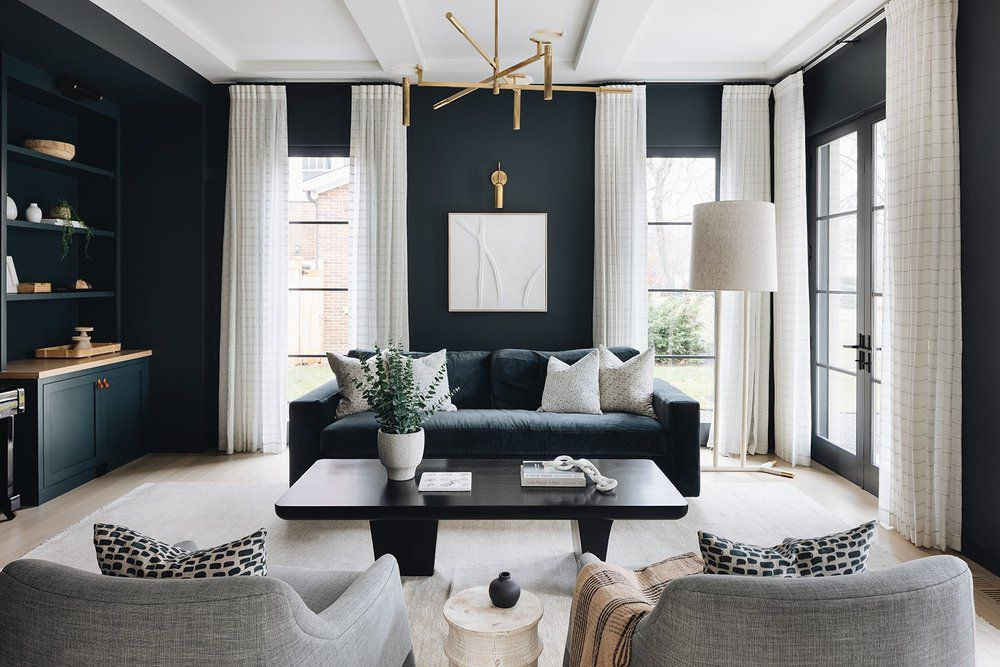
A successful home drawing room design begins with a well-thought-out layout that supports both comfort and everyday usability. The arrangement of furniture should make the space feel open while encouraging natural conversation. Designers often start by identifying a focal point, such as a television unit, large window, or statement artwork, and then arrange seating around it. Leaving enough walking space between furniture pieces is equally important, as clear pathways make the room feel more organized and welcoming rather than crowded.
Another key aspect of layout planning is choosing furniture that fits the size and shape of the room. Large sectional sofas may work well in spacious drawing rooms, while smaller spaces benefit from compact sofas, accent chairs, and multifunctional furniture. Maintaining balance in the arrangement also helps the room feel visually comfortable. For example, pairing a sofa with a couple of chairs or adding a coffee table in the center can create a harmonious seating area that encourages both relaxation and social interaction.
Choosing Colors, Furniture, and Decor Thoughtfully
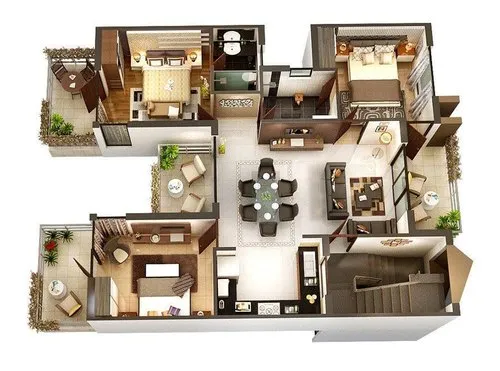
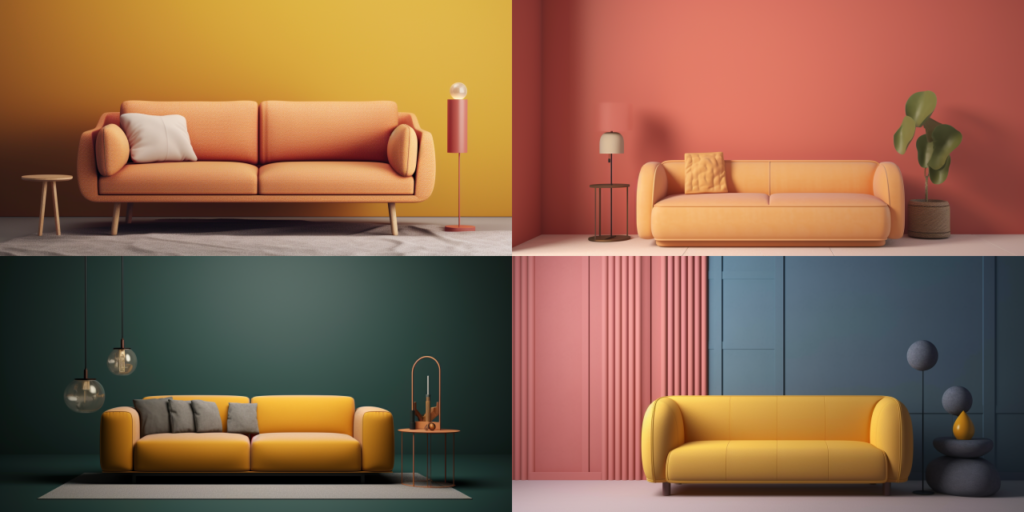
Selecting the right elements is essential for a balanced home drawing room design, as colors, furniture, and decor all influence how the space feels. A well-chosen color palette can create a calm and welcoming atmosphere, while furniture should be both comfortable and proportional to the room size. Neutral tones often work well as a base, allowing decorative accents like cushions, artwork, or rugs to add personality without overwhelming the space. Thoughtful decor choices, such as indoor plants, textured fabrics, and simple wall art, help bring warmth and character to the drawing room while keeping the overall design cohesive and visually pleasing.
Lighting and Ambience in a Drawing Room
Lighting plays a major role in shaping the mood and usability of a home drawing room design. A well-lit space usually combines natural light, ambient lighting, and accent lighting to create a balanced atmosphere throughout the day. Large windows or light curtains can help bring in natural sunlight, while ceiling fixtures, table lamps, or floor lamps provide warmth during the evening. Soft, layered lighting not only improves visibility and comfort but also highlights decorative elements such as artwork or textured walls, helping the drawing room feel more inviting, relaxed, and visually appealing.
Balancing Style with Practical Living
A successful home drawing room design combines visual appeal with everyday practicality. While stylish furniture, colors, and decor can enhance the overall look, the space should still support daily activities and comfort for the people who use it most. Choosing durable materials, easy-to-maintain fabrics, and functional furniture helps keep the room both beautiful and practical over time. When style decisions are balanced with real-life needs—such as storage, seating comfort, and movement space—the drawing room becomes a welcoming and functional part of the home rather than just a decorative area.
Conclusion
A well-planned home drawing room design focuses on creating a space that feels both welcoming and practical for everyday living. By paying attention to elements such as layout planning, balanced colors, comfortable furniture, and proper lighting, homeowners can design a room that supports relaxation and social interaction. When these features work together thoughtfully, the drawing room becomes more than just a decorative space—it becomes a comfortable and inviting center of the home where family and guests can truly enjoy spending time.read About Outdoor Kitchen Design
FAQs
1. What is important in a home drawing room design?
The most important elements include a functional layout, comfortable furniture, balanced lighting, and a pleasant color scheme that suits the overall home style.
2. How can I make my drawing room look more spacious?
Use light colors, minimal furniture, mirrors, and good natural lighting to create an open and airy feeling in the room.
3. Which furniture is best for a drawing room?
Comfortable seating like sofas, armchairs, and a coffee table works best. The size should match the room without making it feel crowded.
4. How do I choose colors for my drawing room?
Stick to a neutral base with soft or bold accents depending on your style preference, ensuring the colors feel balanced and not overwhelming.
