

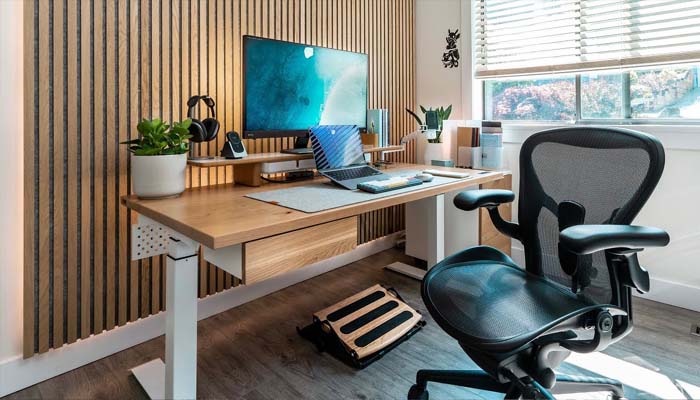
Choosing the Right Space for Your Home Office
Selecting the right location is one of the most important steps when learning how to set up a home office effectively. Choose a quiet, distraction-free area where you can concentrate on work tasks without constant interruptions from household activity. A spare room, bedroom corner, or even a small dedicated workspace can work well as long as it provides enough room for a desk and chair. It also helps to place your workspace near natural light, which can improve focus and reduce eye strain during long working hours. By creating a separate and organized work zone, you mentally distinguish work time from personal time, making it easier to stay productive while working from home.
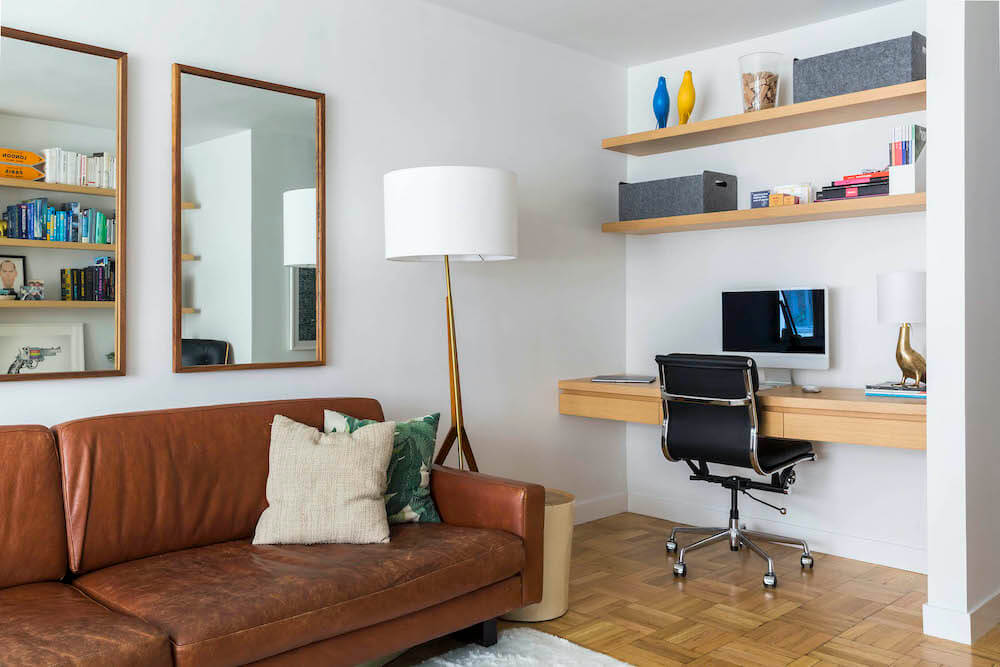
Essential Furniture and Ergonomic Setup
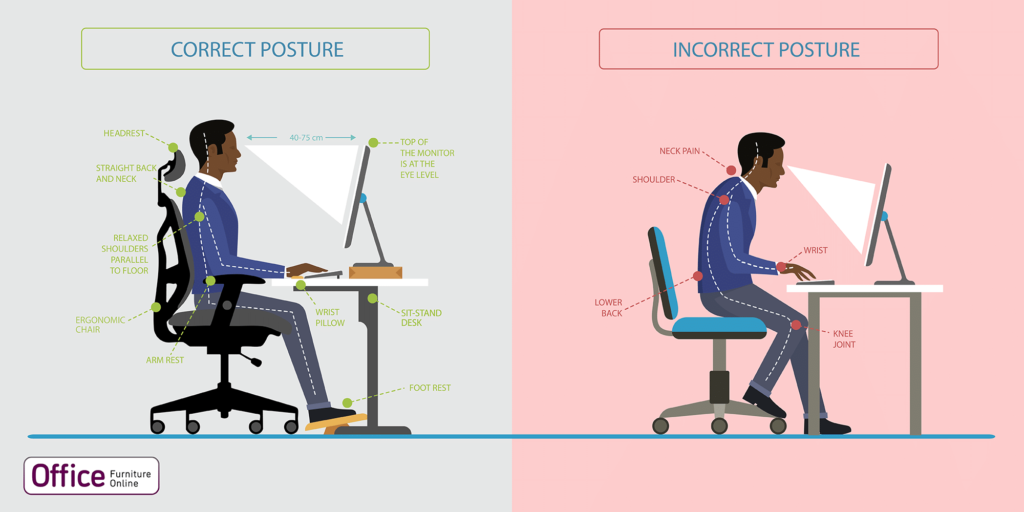
Choosing the right furniture plays a major role when planning how to set up a home office that supports comfort and productivity. Start with a sturdy desk and an ergonomic chair that allow you to work for extended periods without discomfort. A chair with adjustable height, proper lumbar support, and a supportive backrest helps maintain healthy posture while reducing pressure on the lower back. The desk should provide enough surface area for your computer, notebook, and everyday work essentials without feeling crowded. Investing in quality furniture designed for long work sessions can make a significant difference in both comfort and long-term health.
Ergonomic setup is just as important as the furniture itself. Your monitor should be positioned at eye level and roughly an arm’s length away to prevent neck and eye strain. When typing, keep your keyboard and mouse close to your body so your arms stay relaxed and your wrists remain in a natural position. Your feet should rest flat on the floor or on a footrest, while your knees stay close to a 90-degree angle. Following these simple ergonomic principles creates a healthier and more comfortable workspace, helping beginners build a home office that supports productivity throughout the workday.
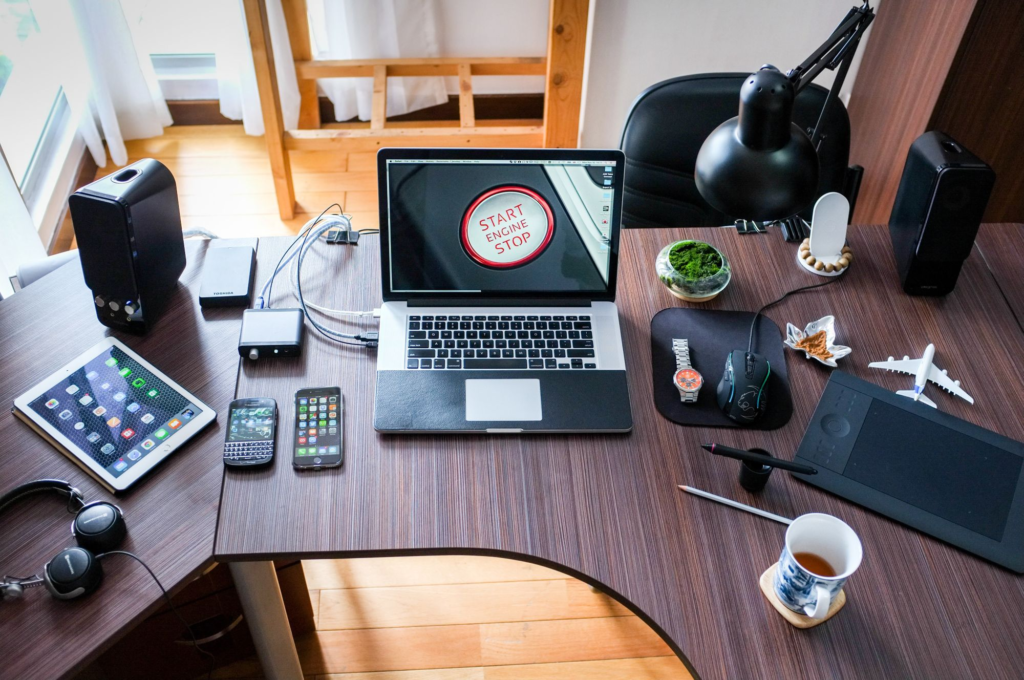
Organizing Your Desk and Work Tools
An organized workspace is essential when learning how to set up a home office that supports efficiency and focus. Start by keeping only essential work tools on your desk, such as your computer, notebook, and frequently used supplies, while storing less-used items in drawers or shelves. Using desk organizers, cable management solutions, and labeled storage can help reduce clutter and make it easier to find what you need quickly. A clean and structured desk not only improves productivity but also creates a more professional and distraction-free environment, allowing you to stay focused on your tasks throughout the day.
Creating a Productive and Comfortable Environment
A well-designed workspace should support both productivity and personal comfort, especially when learning how to set up a home office that you will use every day. Start by adjusting lighting, temperature, and noise levels so the environment feels pleasant and distraction-free. Adding plants, simple décor, or calming colors can make the workspace more inviting while still maintaining a professional atmosphere. Small details like a comfortable desk setup, proper lighting, and minimal clutter help create a balanced environment that keeps you motivated and focused throughout the workday.
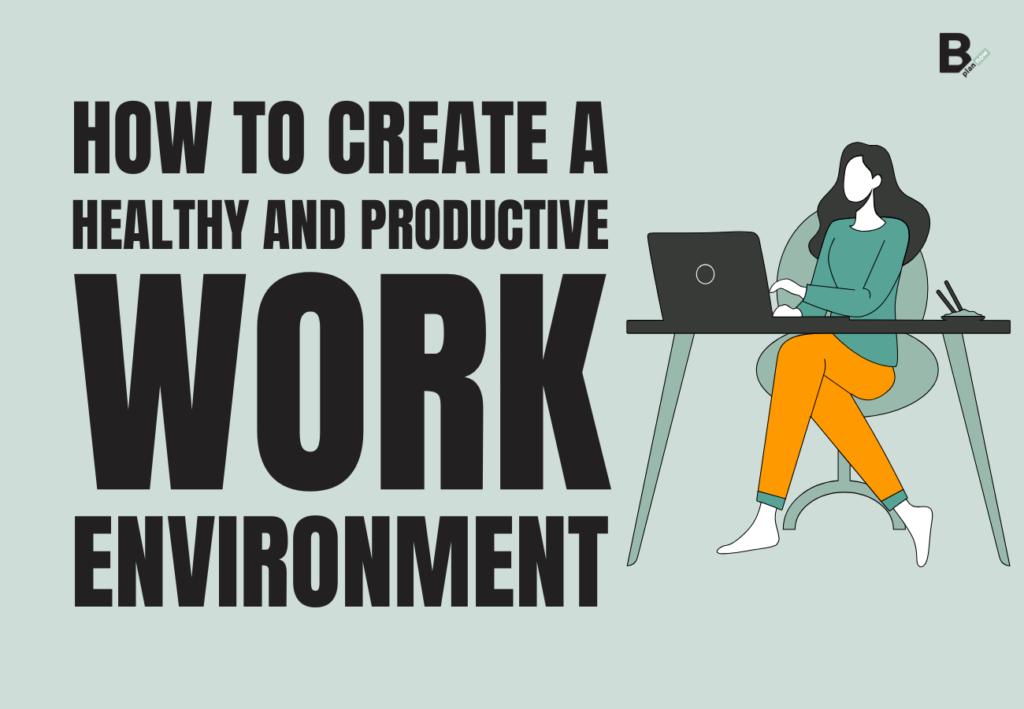
Maintaining Healthy Work Habits While Working from Home
Building healthy routines is just as important as the physical setup when learning how to set up a home office that supports long-term productivity. Working from home can blur the boundaries between personal life and work, so it helps to establish clear working hours, regular breaks, and a consistent daily routine. Simple habits like stretching, standing up every hour, and practicing good posture can prevent fatigue and reduce the risk of discomfort from long periods of sitting. By maintaining balanced work habits and mindful breaks, you create a healthier workflow that supports both productivity and overall well-being. Conclusion
Setting up a functional workspace does not require a large room or expensive equipment. By choosing the right location, comfortable furniture, organized desk setup, and a supportive work environment, beginners can create a space that encourages focus and efficiency. When these elements come together with healthy work habits and thoughtful planning, a home office becomes a practical and productive place to work every day.Read About more Home Ceeling Light Design Simple
FAQs
1. What is the most important thing when setting up a home office?
The most important factor is creating a quiet and dedicated workspace where you can focus without distractions. Comfortable furniture and proper lighting also play a major role in productivity.
2. How much space do I need for a home office?
You do not need a large room. Even a small corner, desk area, or converted closet can work well as long as it is organized and comfortable.
3. What equipment is essential for a home office?
Basic equipment includes a reliable computer, comfortable chair, desk, stable internet connection, and proper lighting. Additional tools like a monitor, keyboard, or storage organizers can improve efficiency.
4. How can I make my home office more productive?
Keep your workspace clean, well-organized, and free from distractions. Maintaining regular work hours, taking short breaks, and ensuring good lighting can also help improve focus and productivity.
