

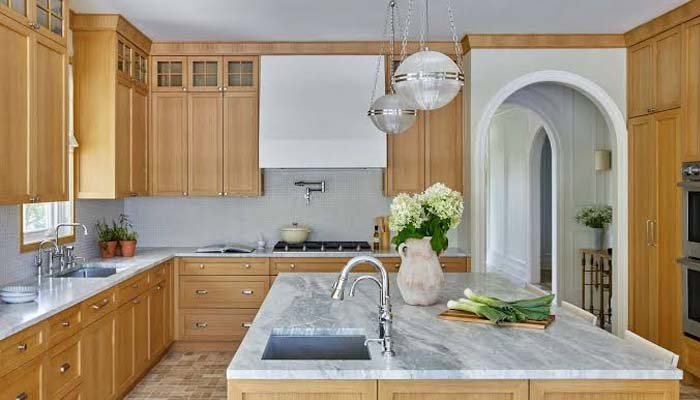
Kitchan design is the process of planning a kitchen that is practical, comfortable, and visually appealing. A well-designed kitchen combines an efficient layout, smart storage, quality materials, proper lighting, and a style that fits your home. Whether you’re building a new kitchen or renovating an existing one, focusing on functionality first will help create a space that works well for everyday cooking and family life.
Understanding the Basics of a Well-Planned Kitchen
A successful kitchan design starts with balancing function and appearance. Before choosing colors or cabinets, think about how the kitchen will be used. The sink, refrigerator, and cooktop should be positioned for smooth movement, while enough counter space should be available for meal preparation.
The table below highlights the key elements of an effective kitchen design.
| Feature | Details |
| Purpose | Cooking, food preparation, dining, and storage |
| Common Layouts | L-shaped, U-shaped, Galley, One-wall, Island |
| Main Work Areas | Sink, refrigerator, cooktop |
| Recommended Lighting | Ambient, task, and accent lighting |
| Storage Solutions | Deep drawers, pull-out shelves, pantry cabinets |
| Popular Countertops | Quartz, granite, butcher block, porcelain |
| Popular Cabinet Styles | Shaker, flat-panel, transitional |
| Best Flooring Options | Porcelain tile, hardwood, luxury vinyl plank |
| Design Goal | Functionality, comfort, durability, and style |
Professional kitchen designers also recommend organizing the kitchen into work zones for cooking, cleaning, food storage, and preparation to improve efficiency.
Choosing the Right Layout for Better Functionality
The layout is one of the most important parts of any kitchen. It affects movement, workspace, and overall comfort. The right layout depends on your room size and household needs.
Popular kitchen layouts include:
- L-shaped: Great for open-plan homes and small to medium kitchens.
- U-shaped: Offers generous counter space and storage.
- Galley: Ideal for narrow spaces with efficient workflow.
- One-wall: Perfect for apartments and compact homes.
- Island kitchen: Adds extra workspace, seating, and storage.
Many modern kitchens also follow the idea of creating separate zones instead of relying only on the traditional work triangle. This approach makes multitasking easier and supports everyday activities like cooking, baking, and entertaining.
Selecting Materials, Colors, and Finishes
Choosing durable materials helps your kitchen stay attractive for years. Quartz countertops remain a popular choice because they are easy to maintain and resist stains. Granite, porcelain, and butcher block are also excellent options depending on your budget and style.
Neutral colors continue to dominate modern kitchens. White, warm beige, soft gray, natural wood tones, and muted green create a timeless appearance that works with many decorating styles. Shaker cabinets remain a favorite because they suit both traditional and contemporary homes.
Adding a tile or slab backsplash protects walls while giving the kitchen extra personality. Durable flooring such as porcelain tile or luxury vinyl plank performs well in busy households because it is easy to clean and resistant to wear.
Improving Storage, Lighting, and Everyday Convenience
Smart storage keeps the kitchen organized and reduces clutter. Deep drawers are often more practical than lower cabinets because they provide easier access to cookware. Pull-out pantry shelves, corner storage systems, drawer organizers, and hidden recycling bins maximize available space.
Lighting should combine several layers for the best results:
- Ambient lighting for overall brightness
- Task lighting under cabinets
- Pendant lights above islands
- Accent lighting for decorative features
Modern kitchens also include practical technology such as touchless faucets, smart ovens, Wi-Fi-enabled appliances, and energy-efficient LED lighting. Proper ventilation is equally important because it removes cooking odors, moisture, and smoke while improving indoor air quality.
Creating a Kitchen That Fits Your Lifestyle
The best kitchen reflects how you live every day. Families who cook frequently may benefit from larger preparation areas, while people who entertain guests often prefer spacious islands with seating. Coffee stations, baking areas, appliance garages, and walk-in pantries are becoming increasingly popular because they improve organization and convenience.
A timeless kitchen focuses on quality materials, practical storage, and flexible design instead of following short-term trends. Investing in durable finishes and thoughtful planning helps create a space that remains functional and attractive for many years.
Conclusion
A thoughtfully planned kitchan design combines efficient layouts, durable materials, smart storage, and proper lighting to create a kitchen that is both beautiful and practical. By focusing on functionality first and adding design elements that match your lifestyle, you can build a kitchen that serves your family well today and in the future. Read About More Home Colore
FAQs
1. What is kitchan design?
Kitchan design is the planning and arrangement of a kitchen to improve functionality, storage, comfort, and visual appeal.
2. Which kitchen layout is the most efficient?
The best layout depends on the available space. L-shaped and U-shaped kitchens are popular because they provide efficient workflow and ample workspace.
3. What countertop material is easiest to maintain?
Quartz is one of the easiest countertop materials to maintain because it is durable, non-porous, and resistant to stains.
4. How can I make a small kitchen feel larger?
Use light colors, maximize natural lighting, install smart storage solutions, and choose space-saving layouts such as L-shaped or one-wall designs.
