

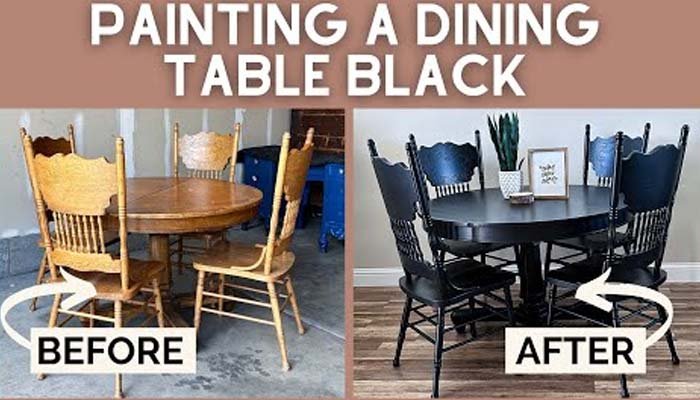
Why Painting an Old Kitchen Table Is Worth It
Painting an old kitchen table is an affordable way to refresh your space while keeping a piece of furniture that may still have excellent structural quality. Instead of spending hundreds of dollars on a replacement, a fresh coat of paint can transform a scratched, faded, or outdated table into something that matches your current kitchen style. Many homeowners choose this DIY approach because it allows for custom colors, modern finishes, and long-term savings while also reducing waste by reusing existing furniture. A properly painted table can also improve durability, making the surface easier to clean and better suited for everyday family use.
Preparing the Table for a Smooth and Durable Finish
Before painting begins, the table needs careful preparation to ensure the finish looks clean and lasts over time. Start by removing dust, grease, food residue, and old polish using a mild cleaner or degreaser. Kitchen tables collect oils and moisture from daily use, and paint will not bond properly to a dirty surface. After cleaning, inspect the table for dents, scratches, or loose joints and repair them with wood filler or basic hardware adjustments if needed. Taking time during this stage helps create a more even and professional-looking result.
Sanding is one of the most important steps when learning how to paint an old kitchen table because it helps the primer and paint adhere correctly. Use medium-grit sandpaper to remove glossy finishes or peeling paint, then switch to fine-grit sandpaper for a smoother surface. After sanding, wipe away all dust with a damp cloth or tack cloth before applying primer. Many professionals recommend using a high-quality bonding primer for painted furniture, especially on laminate, varnished wood, or previously painted tables. According to the official guidance from proper surface preparation is one of the biggest factors in achieving a durable furniture finish.
Choosing the Best Paint and Tools for the Job
Selecting the right materials can make a major difference in both appearance and durability when deciding how to paint an old kitchen table. For heavily used kitchen furniture, many DIY experts recommend enamel paint, acrylic furniture paint, or chalk paint with a protective topcoat because these options handle daily wear more effectively than standard wall paint. Satin and semi-gloss finishes are especially popular since they are easier to wipe clean and resist stains better. Using quality tools also improves the final result, including a foam roller for smooth surfaces, angled brushes for corners and edges, and a durable clear sealer such as polyurethane for added protection against moisture, scratches, and heat.
How to Paint an Old Kitchen Table Step by Step
Once the table is cleaned, sanded, and primed, begin painting with thin and even coats rather than applying heavy layers all at once. Start from the top surface and work toward the legs and edges to maintain a consistent finish. Most tables require two to three light coats of paint for full coverage, with proper drying time between each coat to prevent streaks or peeling later. Lightly sanding between coats can also help create a smoother final appearance. After the final coat dries, apply a protective clear sealant to guard against scratches, spills, and everyday kitchen use. Allow the table to fully cure before placing heavy items on it, since freshly painted furniture may feel dry before it becomes completely hardened.
Protecting and Maintaining Your Painted Kitchen Table
Proper maintenance helps a painted kitchen table stay attractive and durable for many years. After the paint has fully cured, using placemats, coasters, and soft cleaning cloths can reduce scratches and surface wear caused by daily use. Avoid harsh chemical cleaners because they may damage the paint or protective topcoat over time. Instead, clean the surface with mild soap and water and dry it immediately to prevent moisture buildup. Reapplying a clear protective finish every few years can also help maintain the table’s appearance, especially in busy family kitchens where the surface experiences constant use, heat, and spills.
Conclusion
Learning how to paint an old kitchen table is a practical way to give worn furniture a fresh, updated appearance without the expense of buying new pieces. With the right preparation, quality paint, and a durable protective finish, an old table can become both stylish and long-lasting for everyday kitchen use. Paying attention to details such as cleaning, sanding, priming, and sealing helps create a smoother finish that resists damage over time. A carefully painted kitchen table not only improves the look of your space but also adds renewed value and functionality to furniture you already own. Read About New Home Source
FAQs
How long does it take to paint an old kitchen table?
Most projects take between two and four days, depending on drying and curing times between coats of paint and sealant.
Do I need to sand my kitchen table before painting?
Yes, sanding helps the primer and paint adhere properly and creates a smoother, longer-lasting finish.
What type of paint works best for kitchen tables?
Many experts recommend enamel paint or furniture paint because they are durable, washable, and suitable for heavy daily use.
How can I keep a painted kitchen table from chipping?
Applying a high-quality protective topcoat and avoiding harsh cleaners can help prevent chipping, scratches, and premature wear.
