

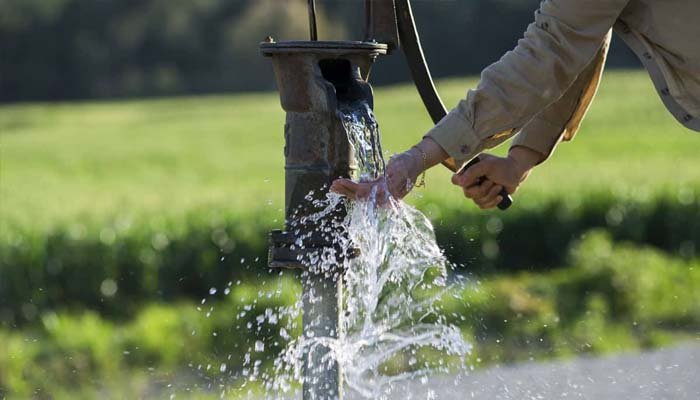
For many homeowners who rely on a private well, the quality of the water coming from the tap depends on more than what can be seen or tasted. A well is part of a larger system that requires regular attention to remain reliable over time. From protecting the well itself to considering water purification for home wells, routine maintenance can help homeowners better understand what’s in their water and address potential concerns before they become larger problems.
Unlike a municipal water supply, a private well is the homeowner’s responsibility. There isn’t a local water utility routinely managing the well, plumbing, and treatment equipment. That makes regular testing, inspection, and maintenance an important part of responsible home ownership.
Your Well Is More Than a Water Source
A private well may seem simple from the outside. Water comes from underground, travels through the well system, and eventually reaches faucets and appliances throughout the home. Behind that process, however, are several components working together.
The well itself, pump, pressure tank, pipes, electrical connections, and water treatment equipment all play a role in delivering water to your home. If one part begins to deteriorate or operate incorrectly, it can affect the entire system.
Regular maintenance gives homeowners an opportunity to identify changes in performance before they become disruptive. It also provides a clearer picture of the condition of equipment that may otherwise go unnoticed until something fails.
Why Well Water Quality Can Change
Groundwater conditions aren’t necessarily constant. The characteristics of well water can change because of environmental conditions, changes around the property, or issues affecting the well itself.
Rainfall and runoff, nearby land activity, changes in groundwater conditions, and problems with the well structure can potentially influence water quality.
A change in taste, odor, color, or appearance doesn’t always indicate a serious problem, but it shouldn’t automatically be dismissed either. Water quality can change without obvious visual signs, which is why periodic testing remains important even when the water appears normal.
What regular testing can reveal
Testing provides information that can’t be determined simply by looking at the water. Depending on the situation and the type of testing performed, homeowners may learn more about characteristics such as mineral content, bacteria, or other substances that could affect water quality.
The appropriate testing schedule can vary depending on local conditions and the type of well. Homeowners should follow recommendations from qualified water professionals and relevant local authorities.
A Few Warning Signs Deserve Attention
Your home’s water can sometimes provide early clues that something has changed. While these signs don’t automatically identify the cause, they can indicate that further investigation may be worthwhile.
- Changes in taste or odor: A sudden metallic, sulfur-like, earthy, or otherwise unusual taste or smell can indicate a change in water conditions or plumbing and treatment equipment.
- Cloudy or discolored water: Water that suddenly becomes cloudy, yellow, brown, or otherwise unusual may warrant testing, particularly if the change persists.
- Changes in water pressure: A noticeable drop or fluctuation in pressure can sometimes be related to the well pump, pressure tank, plumbing, or another part of the water delivery system.
- Sediment or particles: Visible particles in tap water can be a sign that sediment is entering the water supply or that a filtration or treatment component needs attention.
These signs should be considered clues rather than diagnoses. Testing and professional inspection can help determine what is actually happening.
The Role of the Well Pump
The pump is one of the most important mechanical components in a private well system. It moves groundwater from the well into the home’s plumbing system, making reliable pump operation essential for everyday water use.
A pump doesn’t necessarily fail without warning. Homeowners may notice changes such as unusual noises, inconsistent water pressure, longer operating cycles, or difficulty maintaining normal water flow.
If the pump begins behaving differently, ignoring the change can lead to more significant disruption later. A professional inspection can help determine whether the issue involves the pump itself, the pressure system, electrical components, or another part of the well system.
Protecting the Well From Outside Contamination
The condition of the area surrounding a well can also matter. A well needs to be protected from potential sources of contamination on the property.
Homeowners should pay attention to drainage around the well and avoid allowing potentially harmful substances to accumulate nearby. Fuel, chemicals, fertilizers, waste, and other contaminants should be kept away from the well area.
The well cap and surrounding structure should also remain in good condition. Damage or deterioration can create opportunities for unwanted materials to enter the system.
Taking care of the area around the well is a simple part of protecting the water supply.
Why Water Treatment May Be Necessary
Testing may reveal that a home’s water contains minerals, sediment, or other substances that require treatment. The appropriate solution depends entirely on what the testing shows.
Water treatment isn’t a one-size-fits-all process. A system designed to address one water quality concern may not be appropriate for another.
This is why testing should come before choosing treatment equipment whenever possible. Once the specific characteristics of the water are understood, homeowners can determine what type of filtration, purification, softening, or other treatment may be appropriate.
Treatment can support several areas of the home
A properly selected water treatment system can be useful beyond drinking water. Water quality can affect plumbing fixtures, appliances, laundry, bathing, and other everyday household activities.
Depending on the issue being addressed, treatment may help reduce certain contaminants, sediment, minerals, or other unwanted characteristics.
The key is matching the equipment to the actual water conditions rather than choosing a system based solely on general claims.
Don’t Forget About the Pressure Tank
The pressure tank works alongside the well pump to help maintain water pressure and reduce the need for the pump to start every time a faucet is opened.
When the pressure tank isn’t operating correctly, homeowners may notice fluctuating water pressure, frequent pump cycling, or changes in how water is delivered throughout the home.
Because several components can produce similar symptoms, diagnosing the problem based only on what you notice at the faucet isn’t always straightforward.
Regular inspection can help identify issues with the pressure system before they interfere significantly with everyday water use.
Seasonal Changes Can Affect Your Well System
Different seasons can bring different challenges for private wells. Heavy rainfall can affect groundwater conditions, while dry periods may influence water availability in some areas.
Cold weather can also create concerns for exposed pipes and components. Before winter arrives, homeowners should make sure vulnerable parts of the water system are appropriately protected.
After periods of unusually heavy rain, flooding, or other environmental changes, paying closer attention to water quality can also be sensible.
If the water suddenly looks, smells, or tastes different after a major weather event, testing can help determine whether the change is temporary or requires further attention.
A Simple Maintenance Mindset Can Go a Long Way
Well maintenance doesn’t have to mean waiting for something to go wrong. A proactive approach can make it easier to identify gradual changes.
- Keep records of water testing: Maintaining a record of previous test results can make it easier to identify changes in water quality over time.
- Pay attention to equipment performance: Notice changes in water pressure, pump sounds, cycling frequency, or water availability rather than waiting for complete equipment failure.
- Inspect the area around the well: Keep the well surroundings clean, properly drained, and protected from potential sources of contamination.
- Schedule professional inspections when needed: A qualified professional can evaluate components that aren’t practical or safe for homeowners to inspect themselves.
These habits can make well maintenance more manageable and give homeowners a better understanding of how their system is performing.
When Should You Have Your Well Checked?
There isn’t one maintenance schedule that applies identically to every private well. The appropriate frequency depends on the well’s age, location, equipment, water quality history, and local conditions.
However, testing and professional evaluation become particularly important when you notice a sudden change in water quality, pressure, pump performance, or water availability.
A well that appears to be working normally can still benefit from periodic assessment. Preventive attention may reveal developing issues before they result in an unexpected loss of water service or more extensive repairs.
Building Long-Term Confidence in Your Water Supply
Private well ownership comes with a level of responsibility that homeowners with municipal water may not experience. You are responsible for understanding the condition of the well, maintaining its equipment, and paying attention to the quality of the water entering your home.
That responsibility doesn’t have to be complicated. Regular testing, sensible property maintenance, equipment inspections, and appropriate water treatment can create a more dependable approach to well care.
The most important step is to avoid assuming that clear water is automatically problem-free. Some water quality concerns cannot be detected by sight, smell, or taste alone.
Conclusion
A private well can provide a reliable source of water for a home, but it needs ongoing attention to remain dependable. Regular testing can help identify changes in water quality, while inspections can uncover problems affecting pumps, pressure tanks, plumbing, and other components.
Water treatment can also play an important role when testing identifies specific concerns. The right system should be selected according to the actual characteristics of the water rather than a one-size-fits-all approach.
By treating well maintenance as a regular part of home care instead of something to consider only after a problem occurs, homeowners can stay better informed about their water supply and address potential issues before they become larger household disruptions.
