

Understanding Different Types of Bathroom Sink Designs
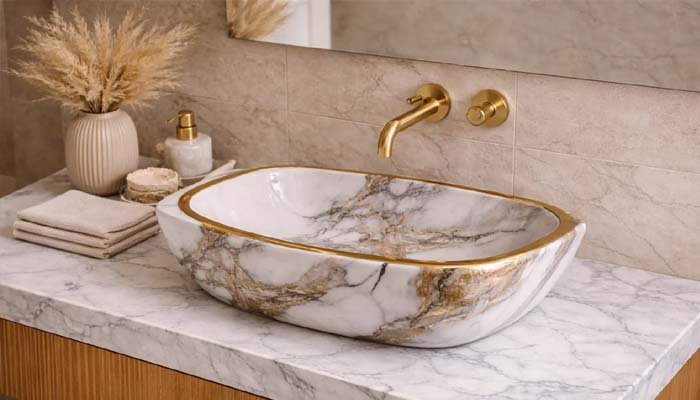
Choosing the right bathroom sink design plays a major role in both the appearance and functionality of your bathroom. Popular options include drop-in sinks, which are affordable and easy to install, undermount sinks that create a smooth and modern countertop finish, and vessel sinks that add a stylish decorative touch above the vanity. For smaller bathrooms, wall-mounted and pedestal sinks help save space while maintaining a clean look. Each design offers different benefits depending on your storage needs, bathroom size, and preferred interior style, so selecting the right one should balance both practicality and visual appeal.
Choosing the Right Bathroom Sink Material
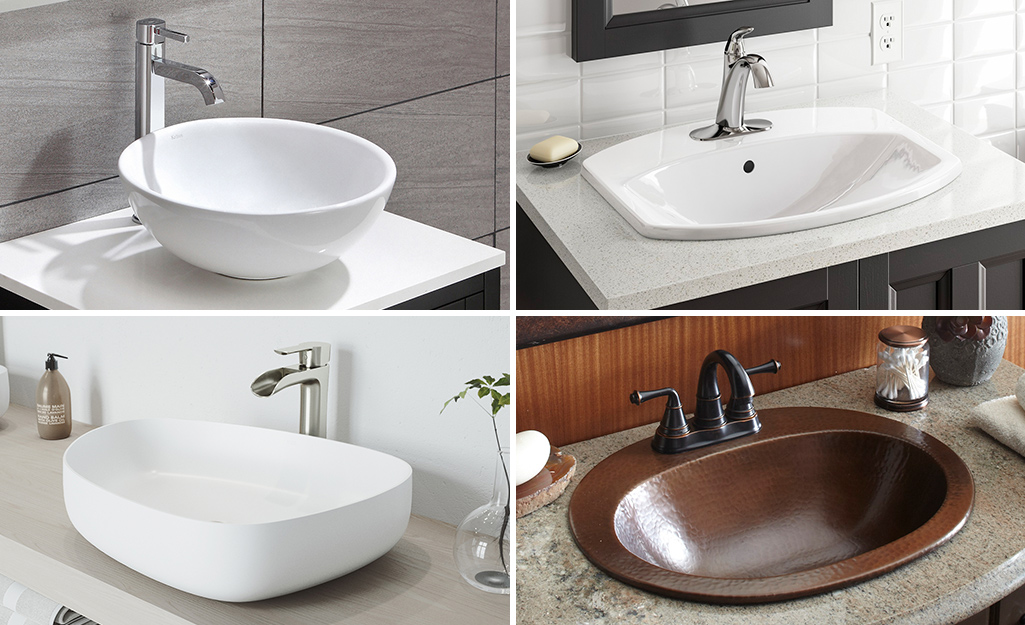
The material of your bathroom sink affects its durability, maintenance needs, and overall appearance. Porcelain and ceramic sinks remain the most popular choices because they are affordable, easy to clean, and resistant to stains and scratches. These materials work well in both modern and traditional bathrooms, making them ideal for homeowners who want a balance of style and practicality. For a more upscale look, many people choose natural stone sinks such as marble or granite, which add texture and luxury but usually require more maintenance to prevent staining and water damage.
Homeowners looking for a sleek contemporary design often prefer glass, stainless steel, or composite sinks. Tempered glass sinks create a bold modern statement, while stainless steel options are valued for their strength and moisture resistance. Composite materials, including quartz blends, are becoming increasingly popular because they combine durability with a smooth high-end finish. Before choosing a sink material, it is important to consider factors like cleaning habits, humidity levels, daily usage, and long-term durability to ensure the sink remains functional and visually appealing for years.
Finding the Best Size and Style for Your Space
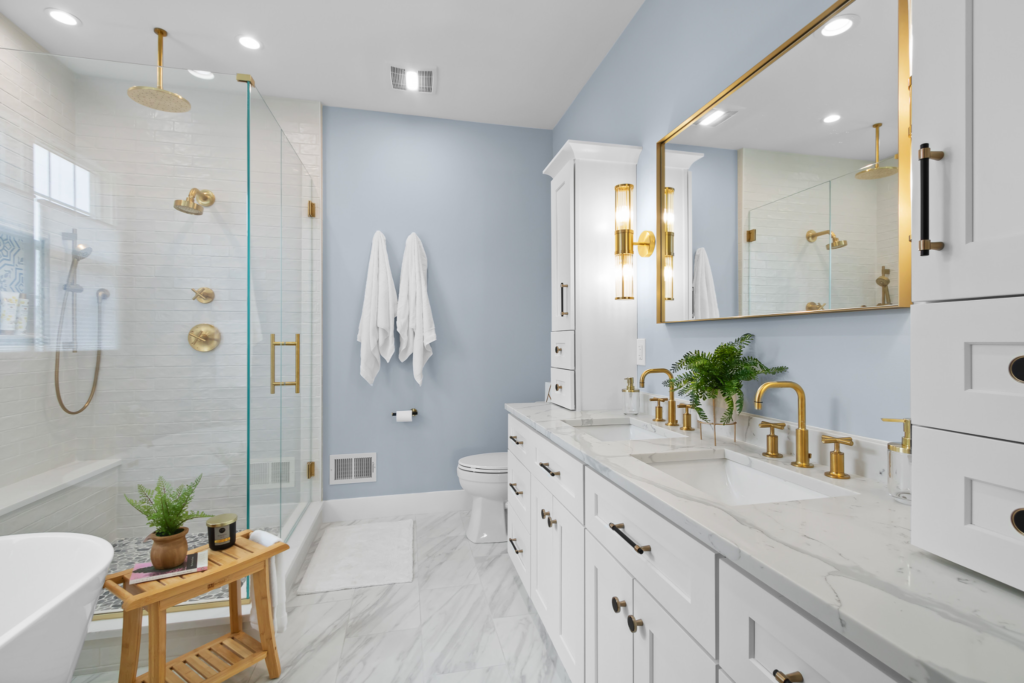
Selecting the right bathroom sink size and style depends heavily on your bathroom layout, storage requirements, and daily routine. In compact bathrooms or powder rooms, wall-mounted or corner sinks help maximize floor space while maintaining a clean and open appearance. Larger bathrooms often benefit from double sinks or wider vanity designs that provide extra countertop space and convenience for shared use. It is also important to match the sink style with your bathroom décor, whether you prefer a modern minimalist look, a traditional design, or a luxury spa-inspired atmosphere. Carefully measuring the vanity area and considering traffic flow can help ensure the sink fits comfortably without making the room feel crowded.
Important Installation and Maintenance Considerations
Proper bathroom sink installation and maintenance are essential for long-term performance and everyday convenience. Different sink styles require different installation methods, and some options like undermount or wall-mounted sinks may need professional support for secure fitting and plumbing adjustments. Before installation, homeowners should check countertop compatibility, faucet placement, and drain alignment to avoid costly modifications later. Regular maintenance is equally important, including cleaning with non-abrasive products, preventing mineral buildup, and checking for leaks around seals and pipes. Choosing a sink material that matches your cleaning habits and maintenance preferences can help keep the bathroom looking clean and functional for many years.
Smart Tips for Balancing Budget, Quality, and Long-Term Value
Finding the right bathroom sink involves balancing cost, durability, and long-term performance rather than focusing only on appearance. While budget-friendly options like ceramic and porcelain sinks offer excellent value for everyday use, investing slightly more in higher-quality materials can improve durability and reduce future maintenance costs. Homeowners should also consider factors such as warranty coverage, water resistance, ease of cleaning, and compatibility with existing plumbing before making a purchase. A well-chosen sink not only enhances the bathroom’s overall design but also provides reliable functionality and lasting value over time.
Conclusion
Choosing the best bathroom sink for your home involves more than selecting a style that looks attractive. The right sink should match your bathroom size, support your daily needs, and offer the right balance of durability, maintenance, comfort, and visual appeal. From selecting the proper material to understanding installation requirements and long-term value, every decision plays a role in creating a functional and stylish bathroom space. By carefully comparing designs, materials, and budget considerations, homeowners can invest in a sink that improves both convenience and overall bathroom aesthetics for years to come.Read About Garage Ready Refrigerator
FAQs
What is the most durable bathroom sink material?
Porcelain and quartz composite sinks are considered highly durable because they resist scratches, stains, and everyday wear while remaining easy to maintain.
Which bathroom sink is best for small bathrooms?
Wall-mounted and pedestal sinks are ideal for small bathrooms because they save floor space and create a more open appearance.
Are vessel sinks harder to clean?
Yes, vessel sinks may require more cleaning around the base and countertop area since water can collect around the edges more easily than other sink styles.
How long does a bathroom sink typically last?
A high-quality bathroom sink can last anywhere from 15 to 30 years or more depending on the material, installation quality, and regular maintenance.
