

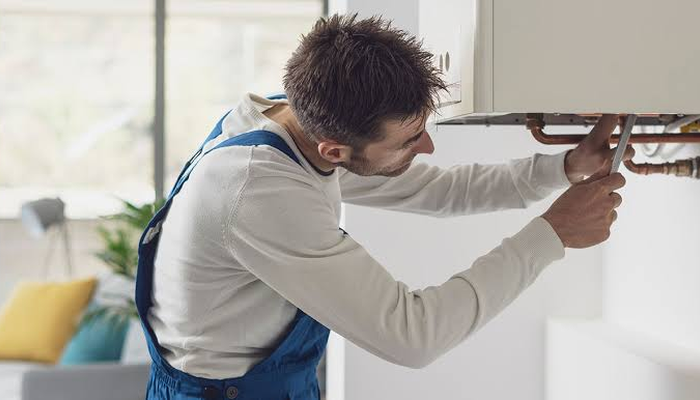
A boiler that repeatedly stops working can be frustrating, particularly when each repair seems to solve the problem only temporarily. While replacing a faulty component may restore heating, recurring breakdowns often indicate an underlying issue that has not been properly identified.
Understanding these hidden causes can help homeowners make informed decisions, avoid unnecessary repair expenses and improve heating reliability. From restricted water flow to incorrect system pressure, several problems can affect a boiler’s performance even when individual components appear to be working correctly.
1. Low System Pressure Keeps Returning
Low boiler pressure is a common reason for heating interruptions. If pressure falls below the manufacturer’s recommended operating range, the boiler may stop heating or display a fault code.
Topping up the system may resolve the immediate problem, but repeated pressure loss requires further investigation.
What could be causing it?
Possible causes include leaking pipework, a faulty pressure relief valve or an expansion vessel that is not functioning correctly. Small leaks around radiator valves may also go unnoticed for some time.
If you frequently need to repressurise your boiler, ask a qualified heating engineer to investigate the cause rather than repeatedly treating the symptom.
2. Sludge and Restricted Water Flow
Over time, corrosion products and debris can accumulate inside a central heating system. This material, often called heating sludge, may restrict circulation through radiators, pipes and heat exchangers.
The result can be uneven heating, unusual noises, slower warm-up times or repeated boiler faults.
When arranging boiler repair in Colorado Springs, CO, ask whether restricted circulation could be contributing to the problem, particularly if some radiators remain cold while others heat normally.
A professional may recommend checking the circulation pump, system filters and water quality. Depending on the findings, cleaning or flushing the system may be appropriate. The correct treatment depends on the type and severity of the blockage.
3. A Faulty Expansion Vessel
The expansion vessel accommodates changes in water volume as the heating system warms up. If its internal diaphragm fails or its pressure is incorrect, system pressure may rise excessively during heating and fall again as the system cools.
This pattern can be mistaken for an unrelated pressure problem.
An engineer should check the vessel, pressure relief valve and overall system behaviour before recommending replacement parts. Simply adding more water may not address the underlying fault.
4. Thermostat and Electrical Problems
Sometimes the boiler itself is not the main problem. A faulty thermostat, damaged wiring, weak batteries or an incorrect heating schedule can prevent the system from receiving the right instructions.
Check that the thermostat is set correctly and that its batteries are working, if applicable. Also confirm that the heating programme has not been changed accidentally.
If the boiler repeatedly loses power, trips a circuit breaker or displays electrical fault codes, arrange a professional inspection. Do not remove covers or attempt internal electrical repairs yourself.
For recurring faults, boiler repair in Colorado Springs, CO should involve a proper diagnosis of the controls and electrical supply, not just resetting the appliance and waiting for the problem to return.
5. Poor Maintenance and Incorrect Settings
Boilers contain components that need periodic inspection and servicing. Blocked filters, worn pump components, deteriorating seals and neglected combustion checks can all affect reliability.
Incorrect settings may also cause unnecessary cycling, especially if the heating controls are poorly configured or the system is not suited to the property’s requirements.
Annual servicing, following the manufacturer’s recommendations, can help identify developing problems before they lead to a breakdown. It cannot prevent every fault, but it provides an opportunity to assess the boiler’s condition and safe operation.
How to Prevent Repeated Boiler Breakdowns
A few practical steps can help reduce avoidable heating problems:
- Keep a record of fault codes, pressure readings and when breakdowns occur.
- Check the thermostat settings and replace batteries when needed.
- Monitor system pressure according to the manufacturer’s instructions.
- Arrange regular servicing with a suitably qualified professional.
- Ask for an explanation of the root cause whenever the same fault returns.
Repeated failures should not automatically mean that the boiler needs replacing. However, if the appliance is old, inefficient or experiencing frequent expensive faults, comparing repair costs with replacement may be worthwhile.
Frequently Asked Questions
Why does my boiler keep switching off?
Possible causes include low pressure, restricted circulation, thermostat problems, overheating or a faulty component. The displayed fault code and a professional inspection can help identify the cause.
Can dirty heating water damage a boiler?
Yes. Corrosion debris and sludge can restrict circulation and contribute to wear or reduced heat transfer. Water treatment and cleaning may be necessary, depending on the system’s condition.
When should I replace my boiler instead of repairing it?
Consider replacement if repairs are frequent, major components have failed, efficiency has declined or parts are difficult to obtain. Compare a detailed repair estimate with the cost and expected performance of a suitable replacement.
Final Words
Recurring boiler breakdowns often point to problems beyond the component that initially fails. Pressure loss, restricted circulation, expansion vessel faults, control issues and poor maintenance can all affect reliability.
The most effective approach is to identify the underlying cause before approving another repair. A thorough inspection, regular servicing and clear communication with your heating engineer can help restore dependable heating and prevent avoidable repeat problems.
