

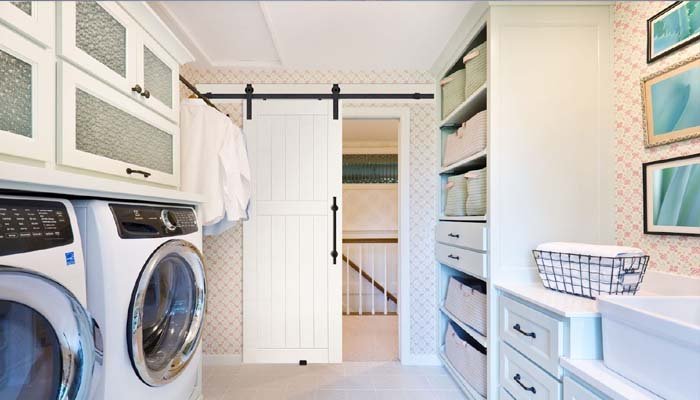
Why Choosing the Right Laundry Room Door Matters
Choosing the right laundry room door is essential for both functionality and comfort in your home. A well-designed door helps reduce noise from appliances, controls moisture and airflow, and keeps laundry clutter out of sight, making nearby living spaces feel more organized. It also plays a role in energy efficiency and safety, especially in enclosed areas where ventilation matters. Beyond practicality, the right choice can enhance your home’s overall style by blending with your interior design, proving that even a small detail like a door can have a big impact on everyday living.
Popular Types of Laundry Room Doors
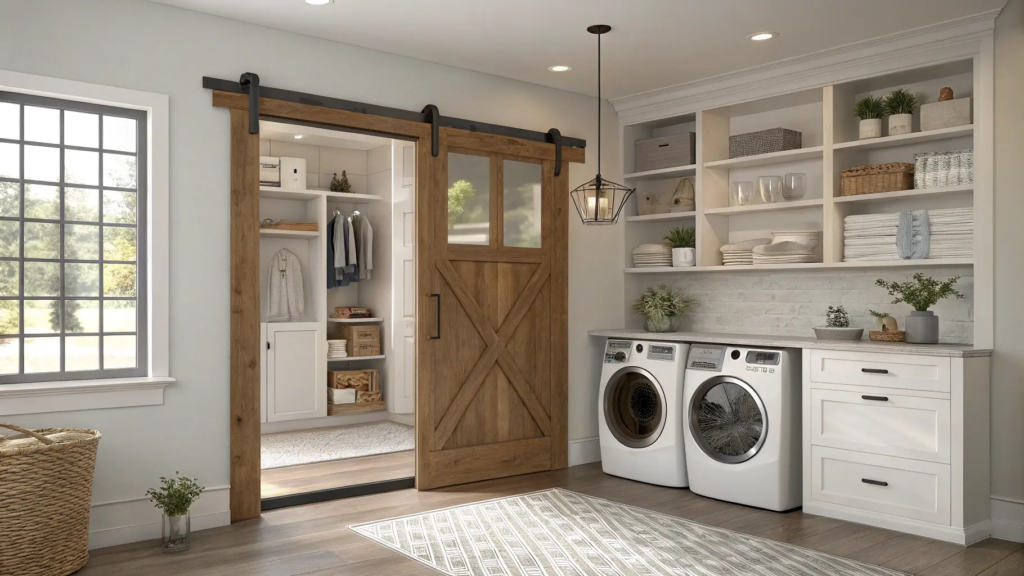
When choosing a laundry room door, understanding the most common types can help you match your space and lifestyle needs. The standard hinged door remains a popular option because of its strong sound insulation and simple design, making it ideal for larger rooms with enough swing space. For smaller areas, sliding doors or barn doors are a smart choice since they don’t require extra clearance and add a modern or rustic touch. Another practical option is the bi-fold door, which folds inward and works well for compact laundry closets, offering easy access without taking up much room.
For homeowners dealing with tight layouts or ventilation concerns, more specialized options are worth considering. A pocket door slides neatly into the wall, creating a clean and space-saving solution for narrow hallways or hidden laundry areas. Meanwhile, louvered doors are designed with slats that allow better airflow, helping reduce moisture and prevent odor buildup in enclosed spaces. Each type has its own strengths, so the best choice depends on your priorities, whether that’s space efficiency, noise control, or overall design appeal.
Best Materials and Design Features to Consider
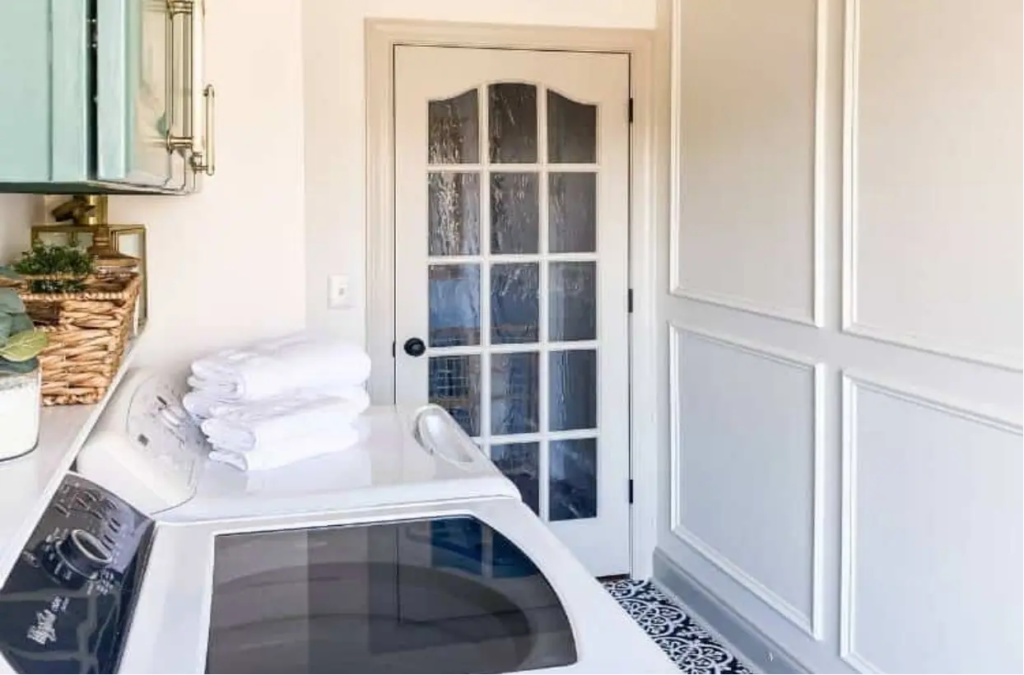
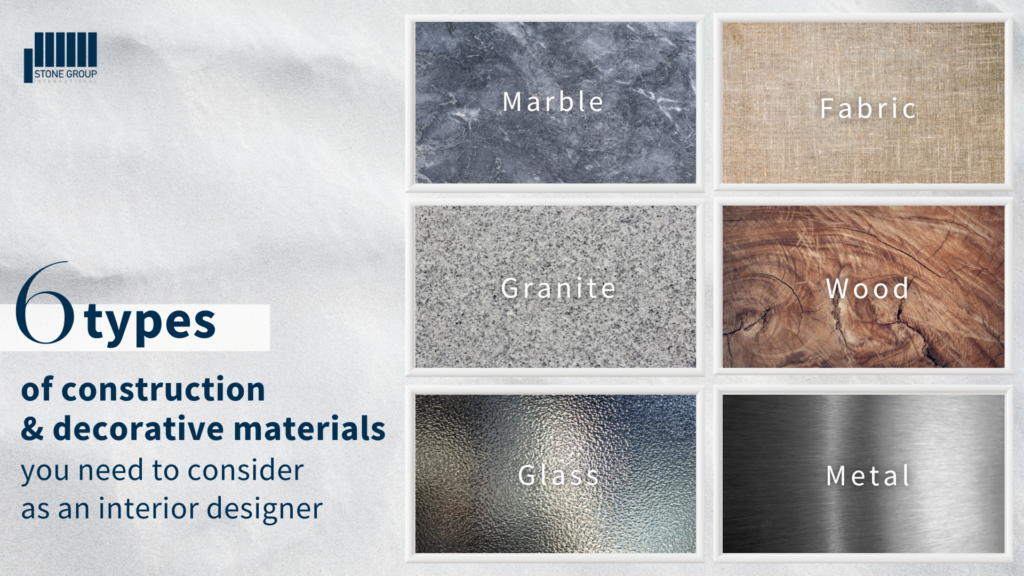
Choosing the right materials and features for your laundry room door is key to long-term performance and comfort. Solid-core doors are a reliable choice if you want better noise reduction and durability, while hollow-core doors are more budget-friendly but offer less insulation. Materials like MDF and engineered wood provide a good balance between cost and style, and adding glass panels (especially frosted) can improve natural light without sacrificing privacy. It’s also important to consider features like ventilation panels or louvered designs to manage moisture, along with easy-to-clean finishes that can handle humidity. A thoughtful combination of strong materials and practical design elements ensures your door looks good and performs well over time.
Space-Saving Ideas and Modern Trends
Modern laundry room door designs are increasingly focused on space efficiency and clean aesthetics, especially in smaller homes. One of the most popular solutions is the sliding or barn door, which moves along a track instead of swinging open, helping you maximize floor space and improve movement in tight areas. According to recent design insights, sliding doors are ideal for compact layouts because they eliminate the need for clearance and keep walkways open, making daily tasks more convenient . Similarly, pocket doors have become a modern favorite because they slide completely into the wall, creating a seamless and clutter-free look while freeing up valuable space .
In terms of trends, homeowners are now choosing doors that combine function with visual appeal. Frosted glass panels are gaining popularity because they allow natural light to flow while maintaining privacy, making laundry areas feel brighter and less confined . Minimalist designs, such as concealed-track sliding doors or sleek matte finishes, are also trending because they create a modern, streamlined appearance that blends with contemporary interiors . Overall, today’s designs focus on making the laundry space feel more open, stylish, and efficient without sacrificing practicality.
Expert Tips for Choosing the Perfect Laundry Room Door
Selecting the ideal laundry room door comes down to balancing practical needs with design preferences. Start by evaluating your space—if it’s tight, go for sliding or pocket doors to save room, while larger areas can accommodate hinged doors for better sound insulation. Always consider ventilation, especially in enclosed spaces, where louvered designs or airflow gaps help prevent moisture buildup. Pay attention to material durability, choosing finishes that resist humidity and are easy to clean. Finally, match the door style with your home’s interior so it feels cohesive, ensuring your choice delivers both long-term functionality and visual appeal.
Conclusion
Choosing the right laundry room door is about finding the perfect balance between functionality, space efficiency, and design. From selecting the right type to considering materials and ventilation, each decision plays a role in improving your daily routine and maintaining a comfortable home environment. A well-chosen door can reduce noise, manage moisture, and enhance overall aesthetics, making your laundry area feel more organized and integrated. By focusing on your specific needs and space, you can confidently choose a solution that offers long-term value and practical comfort. Read About more at Front Door Design
❓ FAQs
1. What type of laundry room door is best for small spaces?
For compact areas, sliding doors or pocket doors are the best choices because they don’t require swing space, making movement easier and more efficient.
2. Do laundry room doors need ventilation?
Yes, in many cases. Ventilated or louvered doors help improve air circulation, reducing moisture buildup and preventing odors or mold in enclosed laundry areas.
3. Which material is best for a laundry room door?
Solid-core doors are ideal for better noise reduction and durability, while materials like MDF or engineered wood offer a balance of affordability and style.
4. Are glass laundry room doors a good option?
Yes, especially frosted glass doors, as they allow natural light to pass through while maintaining privacy, making the space feel brighter and more open.
