

Why Tiny Home Floor Plans Are Becoming More Popular
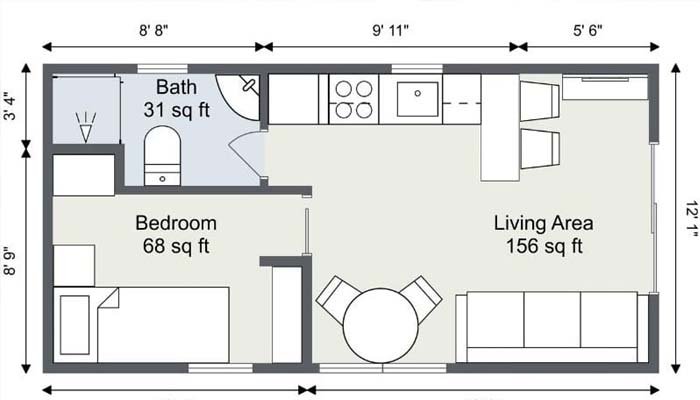
Modern tiny home floor plans are becoming increasingly popular because they offer a practical balance between affordability, efficiency, and comfortable living. As housing costs continue to rise, many people are choosing smaller homes that reduce expenses while still providing functional daily spaces. Tiny homes also appeal to homeowners who value minimalist lifestyles, lower maintenance, energy efficiency, and flexible design options. With smart layouts, built-in storage, and multi-purpose furniture, these compact homes can feel surprisingly spacious while supporting modern living needs.
Smart Layout Strategies That Improve Small Spaces
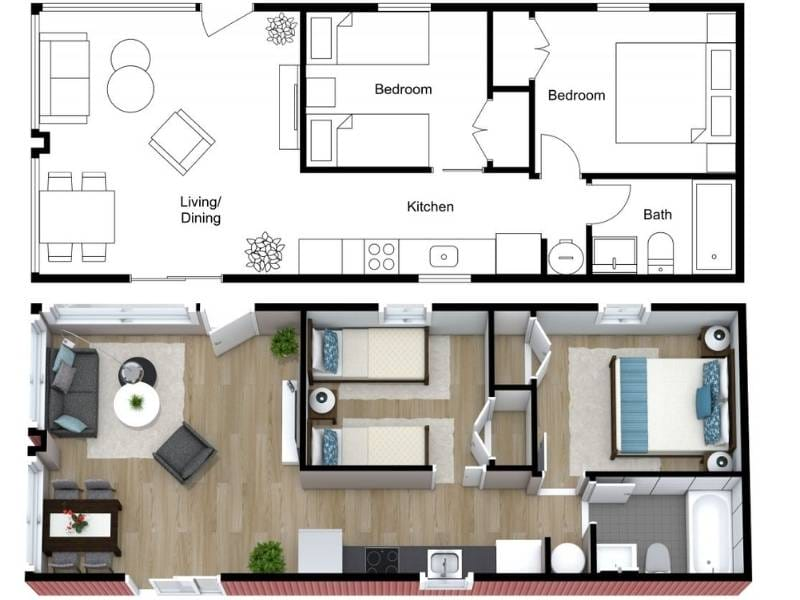
One of the most effective ways tiny home floor plans maximize functionality is through open-concept layouts that reduce unnecessary walls and create a more spacious feel. Combining the kitchen, dining, and living areas into one shared space improves movement and allows natural light to flow throughout the home. Many designers also use large windows, sliding doors, and high ceilings to make compact interiors feel brighter and less confined. These design choices help small homes appear visually larger without increasing the actual square footage.
Another important strategy is the use of multi-functional furniture and built-in storage solutions. Features like foldable dining tables, under-stair cabinets, Murphy beds, and hidden storage benches allow homeowners to use every inch of available space efficiently. Vertical storage is also essential in tiny homes because it keeps floors clear while adding practical organization. Well-planned layouts focus on both comfort and usability, ensuring that even compact spaces remain organized, flexible, and suitable for everyday living.
Essential Features That Add Comfort to Tiny Homes
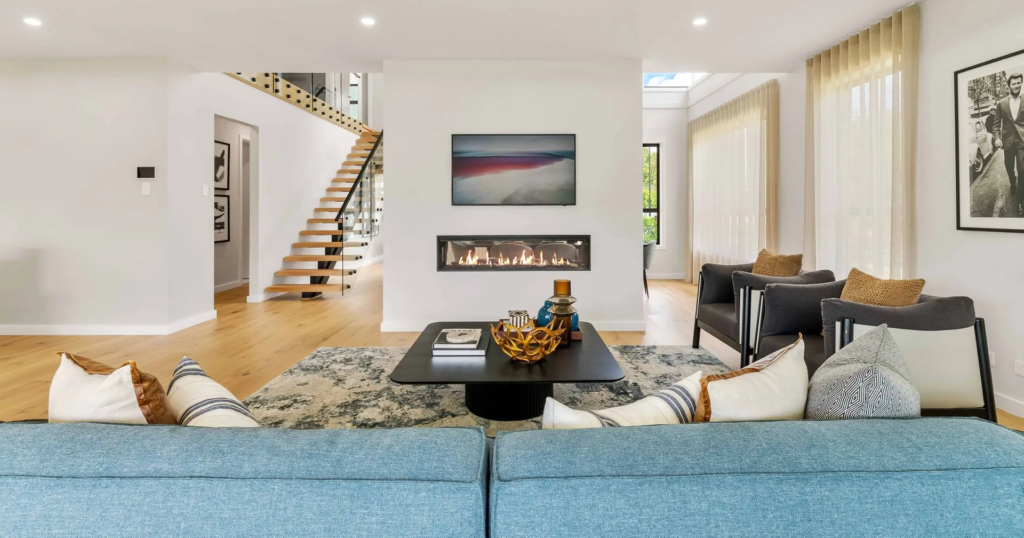
Comfort in tiny home floor plans often comes from thoughtful details that improve daily living without wasting space. Features like built-in storage, energy-efficient appliances, loft sleeping areas, and flexible furniture help create a home that feels both practical and relaxing. Many modern tiny homes also include large windows, natural lighting, proper insulation, and smart ventilation systems to make interiors feel more open and comfortable throughout the year. Small but functional kitchens, compact bathrooms, and carefully planned layouts ensure that homeowners can enjoy convenience and comfort even within a limited footprint.
Modern Design Trends Shaping Tiny Home Living
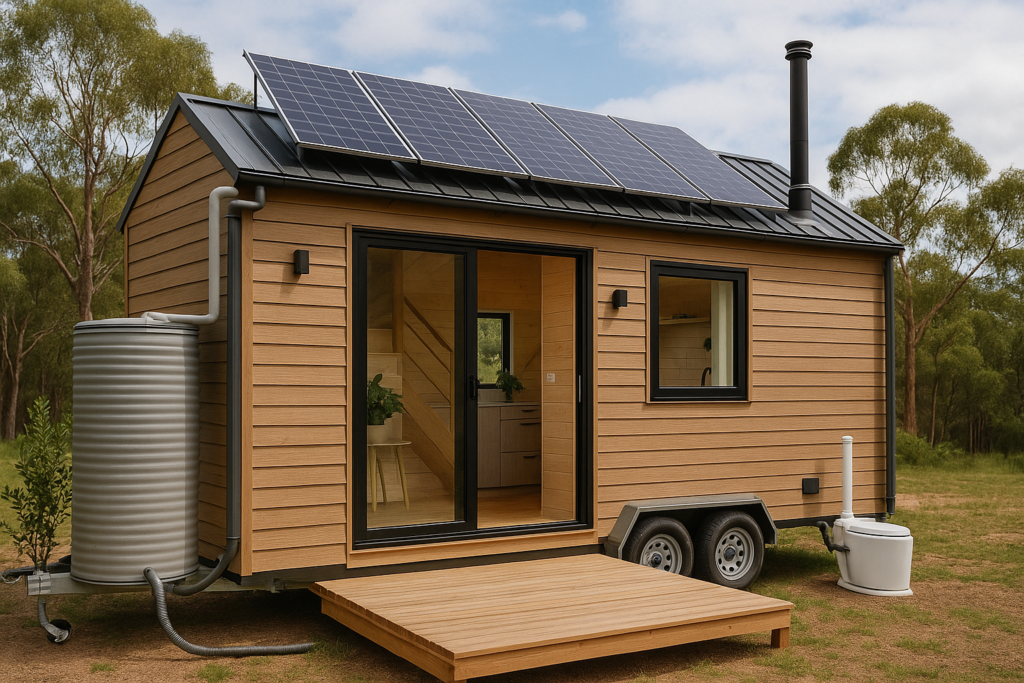
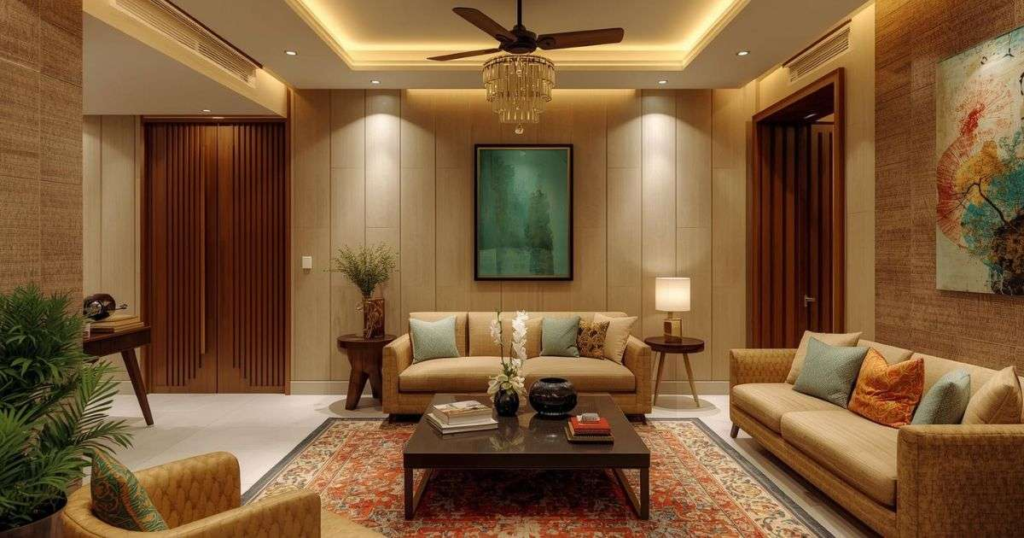
Today’s tiny home floor plans are heavily influenced by modern design trends that combine style, sustainability, and smart functionality. Many homeowners prefer clean interiors inspired by Scandinavian and minimalist design, featuring neutral color palettes, natural materials, and space-saving furniture that keep small homes feeling open and uncluttered. Sustainable features such as solar panels, energy-efficient windows, and eco-friendly building materials are also becoming more common as people prioritize environmentally conscious living. In addition, smart home technology, modular layouts, and large panoramic windows are helping tiny homes deliver a more modern and comfortable living experience without requiring excessive space.
Choosing the Right Tiny Home Floor Plan for Your Lifestyle
Selecting the best tiny home floor plans depends on your daily needs, available space, and long-term lifestyle goals. Some homeowners prefer loft-style layouts to maximize living areas, while others choose single-level designs for easier accessibility and convenience. It is also important to consider factors like storage requirements, number of occupants, mobility, and future flexibility before finalizing a layout. A well-planned tiny home should balance comfort, practicality, and efficient space usage so the home remains functional and enjoyable for everyday living.
Conclusion
Well-designed tiny home floor plans prove that smaller spaces can still offer comfort, functionality, and modern style when planned carefully. From smart storage solutions and open layouts to energy-efficient features and flexible furniture, tiny homes are built to maximize every square foot without sacrificing daily convenience. As more homeowners look for affordable and practical living options, tiny homes continue to stand out as a smart choice for those who value efficient design, lower maintenance, and a simpler lifestyle.
FAQs
What size is considered a tiny home?
Most tiny homes range between 100 and 500 square feet, although some larger designs can reach around 600 square feet depending on local regulations.
Are tiny home floor plans suitable for families?
Yes, some tiny home floor plans are designed for small families and include loft bedrooms, bunk areas, and smart storage solutions to improve functionality.
Do tiny homes cost less than traditional houses?
In many cases, tiny homes are more affordable because they require fewer building materials, lower utility usage, and reduced maintenance costs.
Can tiny homes be customized?
Yes, modern tiny homes can be customized with features like built-in storage, solar power systems, foldable furniture, and mobile layouts to match different lifestyles and needs.
