

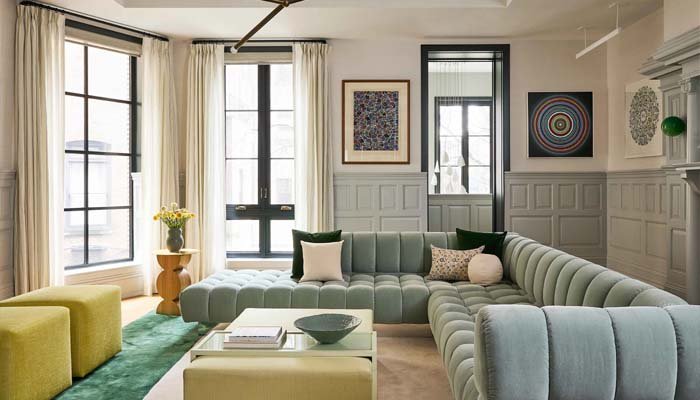
Understanding the Purpose of Your Home Living Area Design
A well-planned home living area design starts with understanding how the space will be used every day. Whether it serves as a place for family gatherings, entertaining guests, relaxation, or even remote work, defining its purpose helps guide important design decisions. When the layout, furniture, and décor are chosen to support your lifestyle, the living area becomes both more comfortable and functional. Focusing on the room’s primary role ensures that every element contributes to a space that feels inviting, practical, and visually appealing.
Choosing the Right Layout for Comfort and Flow
The layout is one of the most important elements of a successful home living area design because it directly affects how people move through and use the space. Before arranging furniture, consider the room’s size, shape, and natural pathways. A good layout creates a clear flow between seating areas, entry points, and adjacent rooms without making the space feel crowded. Positioning sofas and chairs to encourage conversation can make the living area feel more welcoming and functional for everyday use.
Every living room has unique requirements, so there is no single layout that works for every home. In larger spaces, creating separate zones for relaxing, reading, or entertaining can improve usability. Smaller living areas often benefit from multifunctional furniture, such as storage ottomans or compact sectionals that maximize available space. The goal is to achieve a balance between comfort, accessibility, and visual harmony, ensuring the room feels open while still meeting the needs of everyone who uses it.
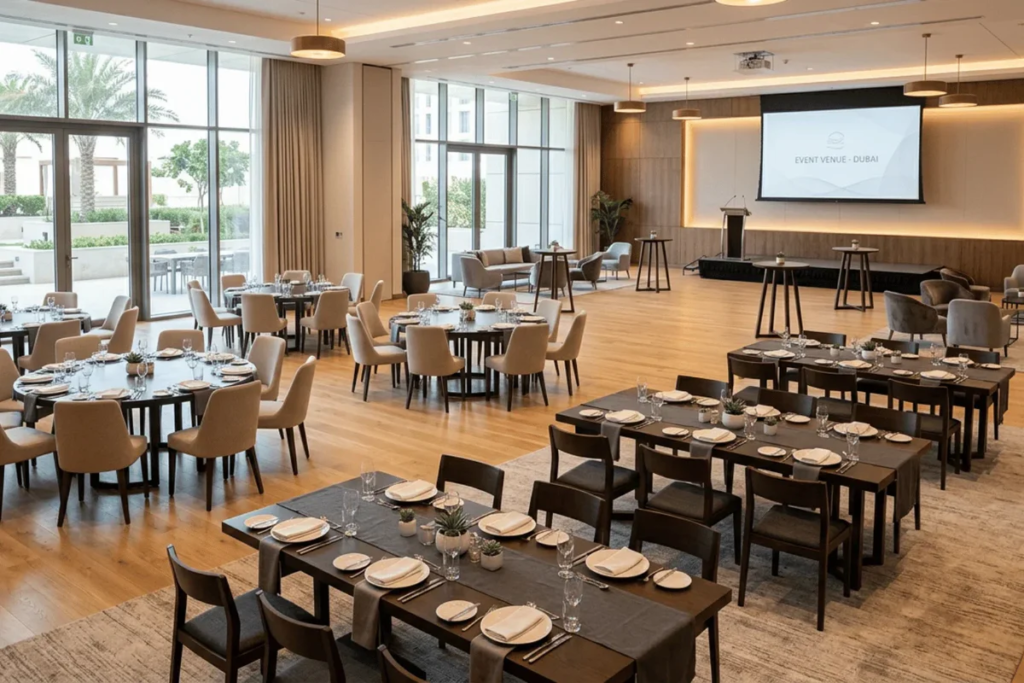
Selecting Colors, Materials, and Furniture That Work Together
A cohesive home living area design relies on choosing complementary colors, quality materials, and well-proportioned furniture that work together seamlessly. Neutral tones paired with natural materials like wood, stone, or linen can create a warm and timeless look, while carefully selected accent colors add personality. When furniture styles, textures, and finishes are balanced, the living area feels more inviting, comfortable, and visually appealing.
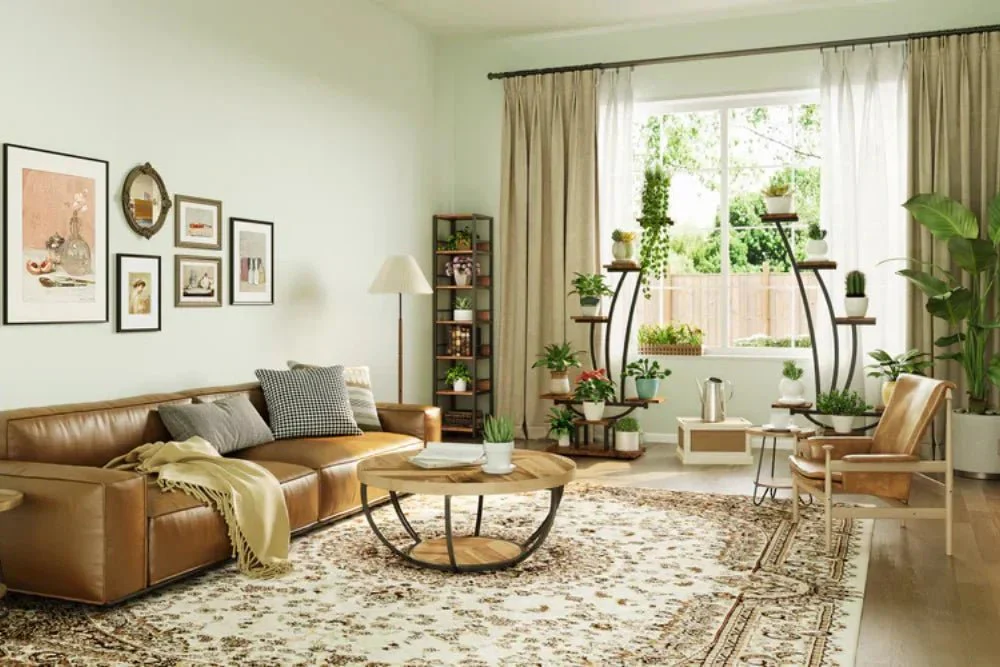
Enhancing the Space with Lighting and Smart Storage Solutions
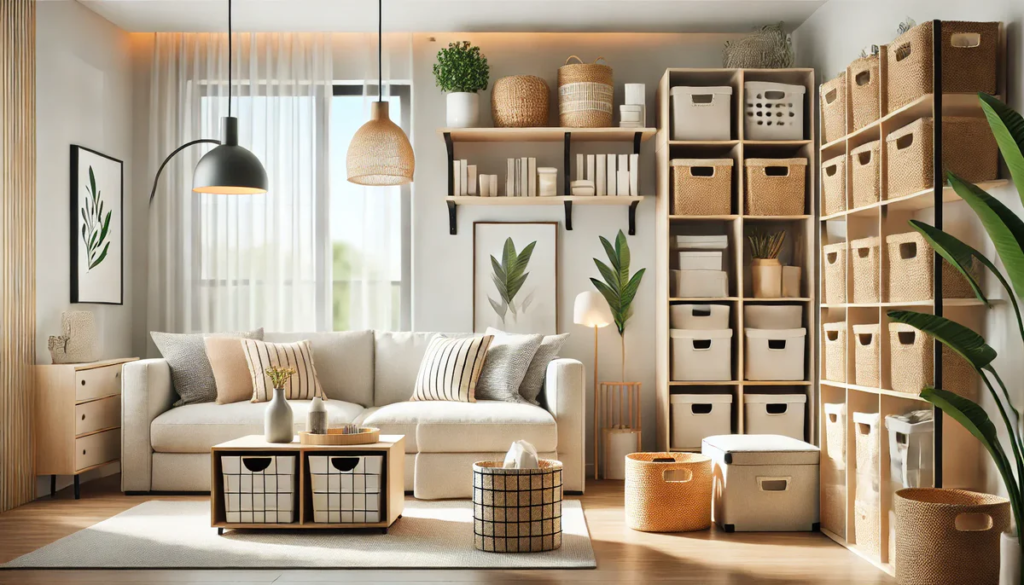
A well-thought-out home living area design depends heavily on the right mix of lighting and smart storage solutions to improve both comfort and practicality. Layered lighting—such as ambient, task, and accent lighting—helps create depth and sets the mood for different activities throughout the day. At the same time, integrating hidden storage, built-in shelves, and multifunctional furniture keeps the space organized and clutter-free. When lighting and storage work together, the living area feels brighter, more spacious, and far more functional for everyday living.
Adding Personal Touches for a Timeless and Inviting Living Area
A thoughtful home living area design becomes truly special when you add personal touches that reflect your lifestyle and personality. Elements like family photos, artwork, travel souvenirs, or handmade décor pieces help create a space that feels warm and meaningful rather than purely decorative. Mixing these personal items with carefully chosen furniture and neutral backgrounds ensures the room stays balanced and timeless. When a living area reflects the people who use it, it naturally feels more inviting, comfortable, and lived-in without losing its sense of style.
Conclusion
A well-planned home living area design brings together functionality, comfort, and personal style in a balanced way. By focusing on layout, colors, lighting, storage, and personal details, you can create a space that feels both practical and visually appealing. The key is to design with purpose while keeping the environment flexible and welcoming for everyday living. When all elements work together, the living area becomes a true reflection of your lifestyle and a space you genuinely enjoy spending time in. Read About More Washroom Design
FAQs
1. What is the most important part of home living area design?
The most important part is creating a layout that supports how you use the space daily, ensuring comfort and easy movement.
2. How can I make a small living area look bigger?
Use light colors, minimal furniture, smart storage, and mirrors to create a more open and spacious feel.
3. What colors work best for a living area?
Neutral tones like beige, white, and soft gray work well, often paired with warm or natural accent colors.
4. How do I make my living area feel more cozy?
Layer lighting, add soft textures like cushions and rugs, and include personal décor items to create warmth and comfort.
